Categories
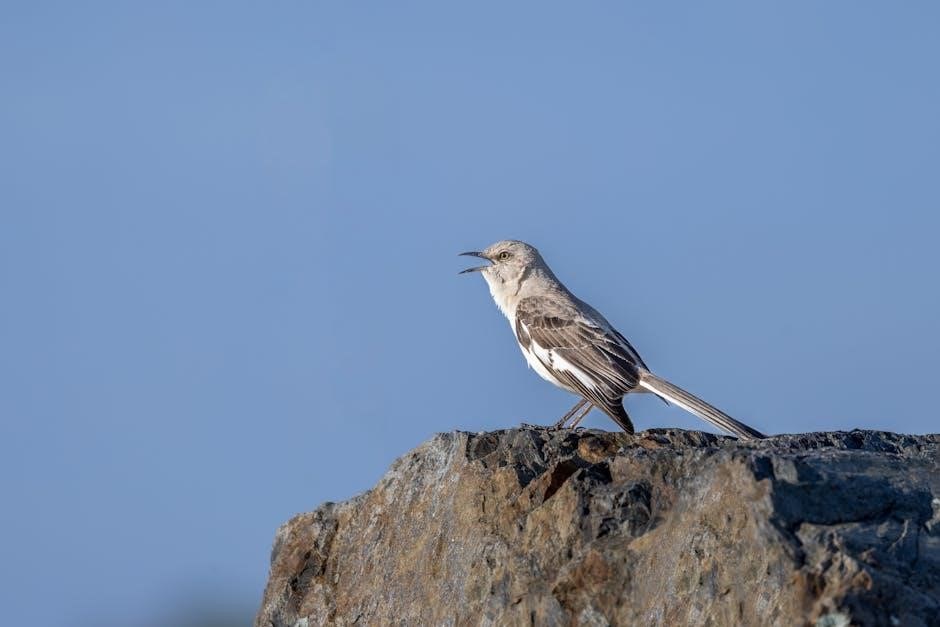
The Mincing Mockingbird Guide to Troubled Birds is a uniquely humorous illustrated pocket field guide, expertly detailing North America’s most disturbed avian inhabitants.
This entertaining resource blends satire with practical bird identification, offering a lighthearted yet informative look at species exhibiting unusual behaviors.
The Mincing Mockingbird Guide distinguishes itself through a brilliantly unconventional approach to birding literature. It isn’t simply about identifying feathered friends; it’s about identifying the troubled ones – those exhibiting psychotic, violent, or otherwise mentally unstable tendencies.
This pocket-sized field guide offers a refreshing departure from traditional, often dry, ornithological texts. Its eye-popping color illustrations and witty descriptions create an engaging experience, making bird identification both entertaining and accessible. The guide’s humor isn’t merely for amusement; it serves as a clever hook, drawing readers into a surprisingly informative exploration of avian behavior.
Furthermore, its compact format makes it ideal for carrying on birding expeditions, or simply keeping handy for unexpected encounters with potentially problematic plumage. It’s the perfect gag gift, blending a genuine appreciation for nature with a healthy dose of playful absurdity.
Within The Mincing Mockingbird Guide, a “troubled” bird isn’t merely displaying atypical behavior; it’s exhibiting signs of significant psychological distress. This encompasses a spectrum of characteristics, ranging from overt aggression and violent tendencies to more subtle indicators of mental instability.
The guide identifies species prone to “murmuration mayhem” – chaotic flocking behavior – and individuals displaying erratic flight patterns. It delves into vocalization patterns indicative of distress, and physical cues suggesting a bird is not at its best. Essentially, any avian exhibiting behavior that deviates sharply from the norm, and potentially poses a risk (however small), qualifies.
It’s a humorous, yet insightful, categorization, acknowledging that even in the natural world, not every bird is a picture of serene tranquility. The guide playfully highlights the darker side of avian existence.
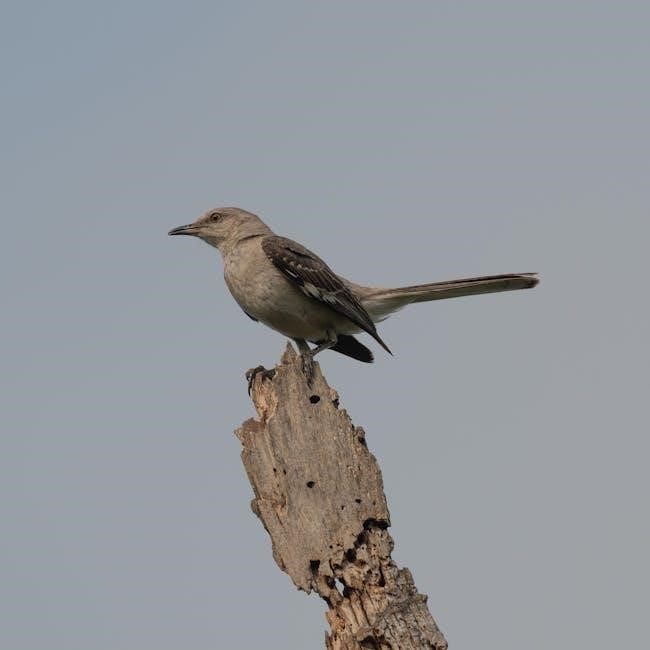
The Mincing Mockingbird Guide spotlights particularly disturbed species like the Angry Hummingbird, Psychotic Starling, and Violent Northern Flicker, detailing their unique, unsettling traits.
The Angry Hummingbird, as profiled in The Mincing Mockingbird Guide, is a surprisingly aggressive avian, defying the typical image of these delicate nectar-feeders. This miniature menace exhibits disproportionate rage, often attacking anything that dares enter its perceived territory – including humans!
Distinguishing features include a perpetually furrowed brow (if hummingbirds had brows), a rapid, agitated buzzing, and a willingness to engage in aerial assaults. The guide notes their attacks aren’t merely defensive; they seem motivated by pure, unadulterated spite. Beware of prolonged staring, as this is considered a direct challenge.
The Mincing Mockingbird Guide advises caution when near hummingbird feeders, suggesting a strategic retreat is often the best course of action when confronted by this tiny terror.
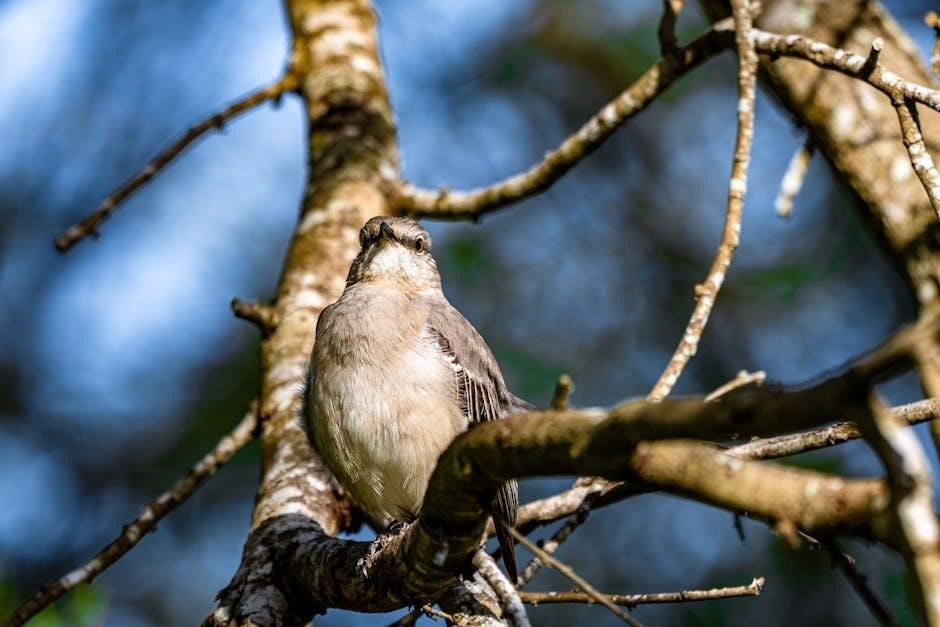
The Psychotic Starling, detailed within The Mincing Mockingbird Guide, takes the already impressive spectacle of a starling murmuration to a disturbing new level. While typically a beautiful, coordinated display, these starlings exhibit erratic, seemingly random movements, suggesting a collective loss of reason.
The guide describes the murmuration as a swirling vortex of avian chaos, often accompanied by unsettling, discordant vocalizations. Witnesses report feelings of unease and disorientation when observing these troubled flocks. It’s theorized that a shared psychosis grips the entire group, leading to unpredictable and potentially hazardous behavior.
The Mincing Mockingbird Guide strongly advises against attempting to interpret the patterns of a psychotic starling murmuration – it’s best to simply observe from a very safe distance.
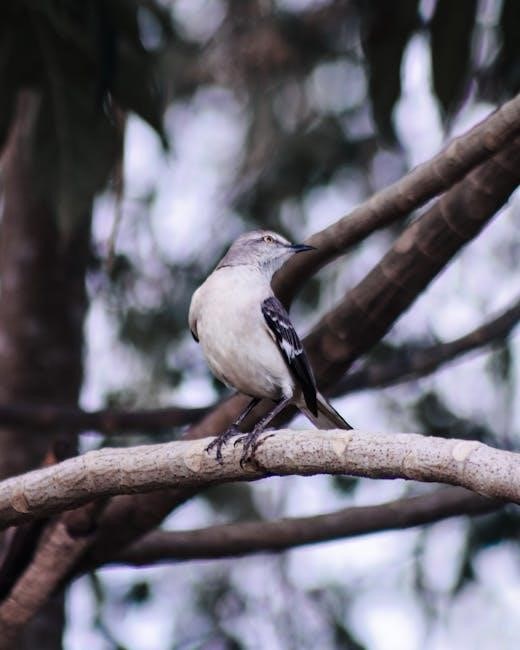
The Mincing Mockingbird Guide presents the Violent Northern Flicker as a particularly aggressive member of the woodpecker family, exhibiting behaviors far beyond typical territorial defense. This isn’t your average drumming; it’s a targeted assault, often directed at inanimate objects – and occasionally, unsuspecting humans.
The guide details instances of flickers relentlessly hammering on vehicles, house siding, and even attempting to dismantle bird feeders with furious intensity. Their normally melodic calls become harsh, grating screeches, signaling impending attacks. Experts suggest a deep-seated rage fuels this woodpecker’s vendetta.
The Mincing Mockingbird Guide recommends avoiding areas frequented by these flickers and, if confronted, maintaining a wide berth and wearing protective headgear.
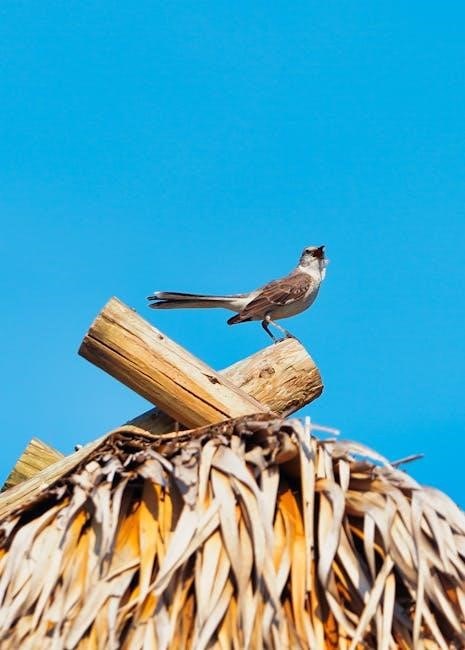
The Mincing Mockingbird Guide explores how environmental factors, human interaction, and even genetic predispositions contribute to the unsettling behaviors of these troubled avian species.
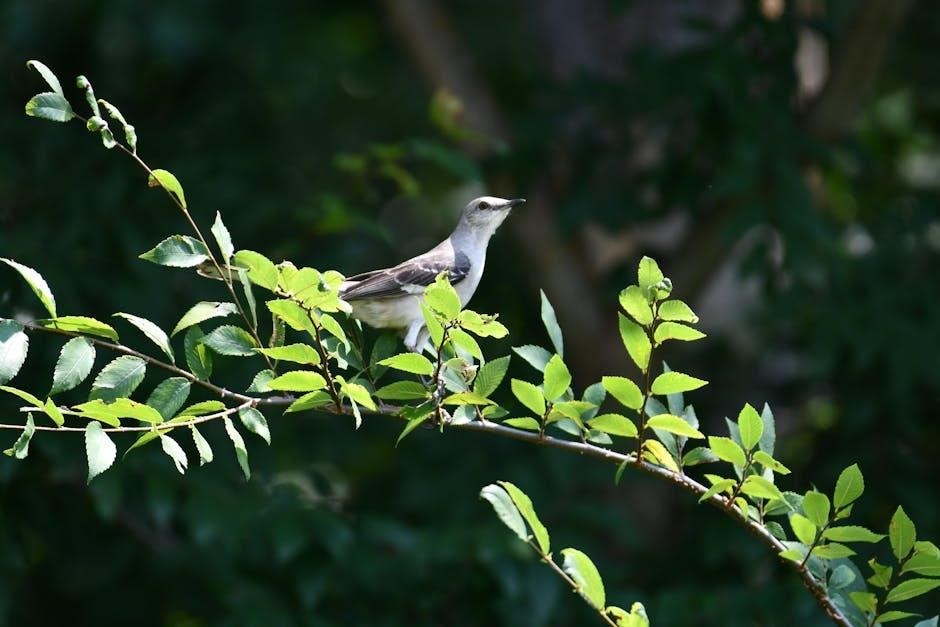
The Mincing Mockingbird Guide subtly suggests that disruptions within a bird’s natural habitat can significantly impact its temperament and overall well-being. Changes in food availability, due to factors like pesticide use or habitat loss, can induce stress and aggression.
Furthermore, increased urbanization and the fragmentation of forests force birds into closer proximity with humans and each other, escalating competition for resources and breeding territories. This heightened pressure can manifest as erratic behavior and increased displays of hostility. The guide implies that even seemingly minor environmental shifts can trigger disproportionate responses in already sensitive species, contributing to the emergence of these “troubled” birds.
Essentially, the book posits that a stressed environment breeds stressed birds.
The Mincing Mockingbird Guide humorously, yet pointedly, highlights how human activities contribute to the “troubled” state of certain bird species. Direct interference, such as intentional feeding, can disrupt natural foraging behaviors and create dependency, leading to aggressive competition amongst birds.
Furthermore, habitat destruction and pollution force birds into unnatural encounters with humans, increasing stress levels and potentially triggering defensive or aggressive responses. The guide subtly suggests that even well-intentioned actions, like building bird feeders too close to windows, can have negative consequences.
Ultimately, the book implies that our presence and actions significantly alter avian behavior, sometimes with unsettling results, creating the very “troubled birds” it playfully catalogs.
While The Mincing Mockingbird Guide leans heavily into humorous portrayals of disturbed birds, it implicitly acknowledges that behavioral tendencies aren’t solely environmental. Certain species, the guide suggests through its characterizations, may possess inherent genetic predispositions towards more aggressive or erratic behaviors.
The descriptions of the “Angry Hummingbird” and “Psychotic Starling,” for example, hint at deeply ingrained temperaments. These aren’t simply birds reacting to stress; they exhibit behaviors that seem almost… innate. The guide doesn’t delve into scientific specifics, but playfully suggests a lineage of avian angst.
It’s a tongue-in-cheek nod to the complex interplay between nature and nurture, implying that some birds are simply born with a bit more “attitude” than others, contributing to their troubled status.
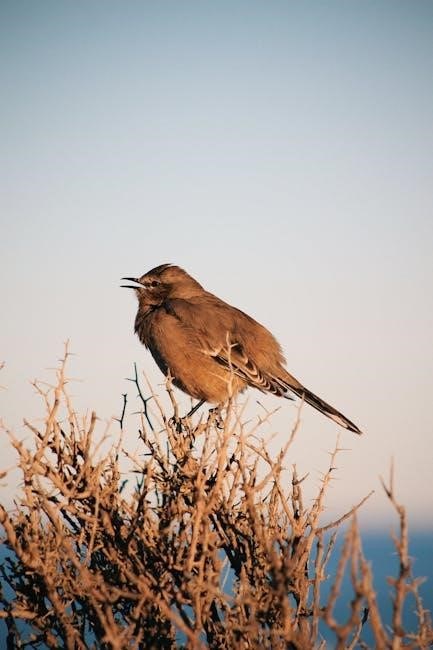
The Mincing Mockingbird Guide emphasizes identifying distressed birds through vocalizations, plumage, and erratic behaviors – crucial for safe observation and avoidance of potential conflicts.
The Mincing Mockingbird Guide meticulously details how troubled birds deviate from typical songs. Normal bird vocalizations serve purposes like attracting mates or defending territory, but distressed birds exhibit alarming changes.
Expect unusually harsh squawks, frantic chirping, or repetitive, almost obsessive calls. The Angry Hummingbird, for instance, might emit a series of rapid, aggressive chirps, quite unlike its usual melodic hum.
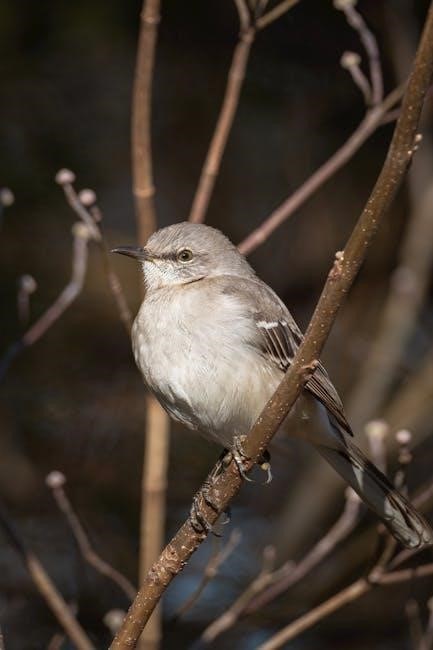
The Psychotic Starling’s murmuration calls could become discordant and panicked, lacking the usual synchronized quality. Pay attention to the tone – is it frantic, aggressive, or unusually monotone? These vocal anomalies are key indicators, signaling a bird experiencing significant distress and potentially exhibiting unpredictable behavior. Recognizing these patterns is vital for maintaining a safe distance.
The Mincing Mockingbird Guide highlights that distressed birds often display visible physical signs. While not always definitive, changes in plumage can be telling. Look for ruffled or unkempt feathers, indicating a lack of preening – a sign of stress or illness.
Unusual feather loss, particularly outside of molting season, could also suggest distress. The Violent Northern Flicker might exhibit damaged tail feathers from aggressive pecking.
Pay attention to posture; a perpetually hunched or tense stance is concerning. Dilated pupils or an unusually bright red eye color can indicate heightened agitation. Observe for any visible injuries or signs of self-harm. These physical cues, combined with behavioral observations, help identify potentially troubled birds, prompting caution and distance.
The Mincing Mockingbird Guide emphasizes that troubled birds frequently exhibit unpredictable and aggressive behaviors. Erratic flight patterns – sudden dives, uncontrolled loops, or flying into objects – are key indicators. The Psychotic Starling’s murmuration mayhem exemplifies this, with chaotic flocking suggesting instability.
Increased aggression towards other birds, animals, or even humans is a significant warning sign. This can manifest as relentless chasing, pecking, or vocal threats. The Angry Hummingbird is notorious for its disproportionate aggression, defending territory fiercely.
Observe for unusual stillness or a lack of response to stimuli. These behavioral shifts, coupled with physical indicators, paint a clearer picture of a bird in distress.
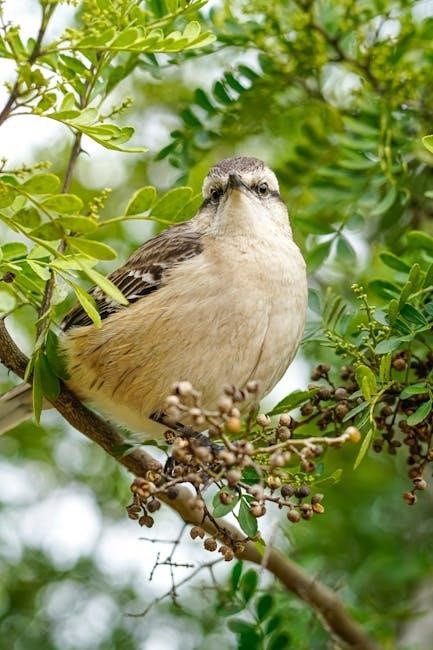
The Mincing Mockingbird Guide advises maintaining a safe distance from distressed birds and strictly avoiding direct eye contact to de-escalate potential conflicts.
The Mincing Mockingbird Guide to Troubled Birds emphatically stresses the importance of spatial separation when observing potentially unstable avian creatures. Approaching a “troubled” bird, even with benign intentions, can be misconstrued as a threat, triggering aggressive responses.
The guide recommends a minimum distance of at least 30 feet – considerably more for larger species like the Violent Northern Flicker. This buffer zone allows the bird to maintain a sense of security and reduces the likelihood of a defensive attack.
Remember, these birds are already exhibiting signs of distress; your presence could exacerbate their agitation. Utilize binoculars or a spotting scope for closer observation, prioritizing your safety and the bird’s well-being above all else. Avoid any attempts to approach, feed, or interact with these feathered individuals.
The Mincing Mockingbird Guide to Troubled Birds highlights that sustained, direct eye contact can be perceived as a significant challenge or threat by already agitated birds. In the avian world, a direct stare often signals aggression or dominance, potentially provoking a hostile reaction from a troubled species.
Instead of locking eyes, the guide advises adopting a peripheral vision approach. Observe the bird indirectly, focusing on its overall behavior and surroundings rather than fixating on its gaze.
This subtle technique minimizes the perceived threat and allows the bird to feel less cornered. Coupled with maintaining a safe distance, avoiding direct eye contact is a crucial safety precaution when encountering a potentially psychotic, violent, or mentally unstable bird, ensuring both your safety and the bird’s peace;
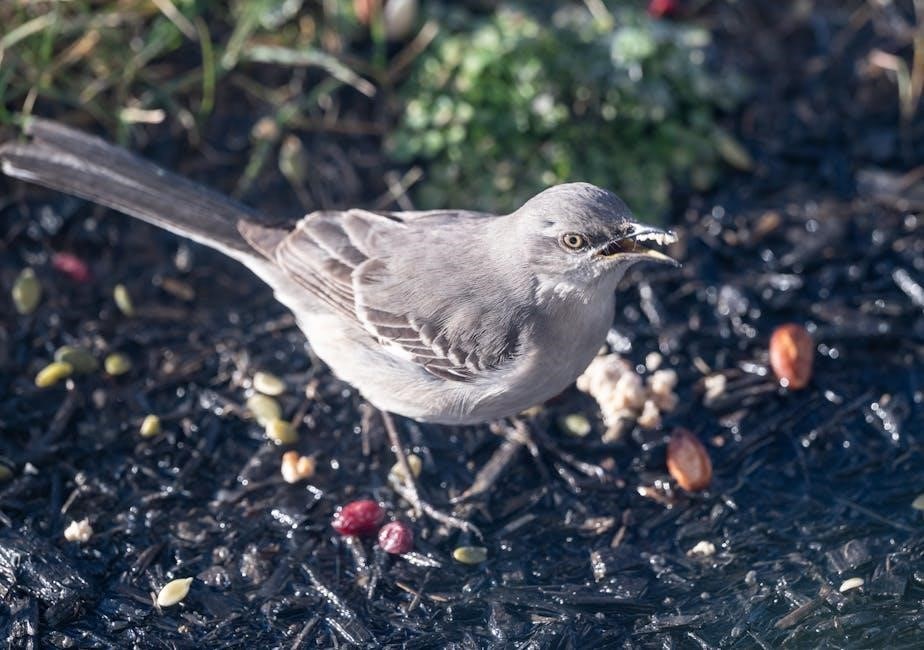
The Mincing Mockingbird Guide to Troubled Birds is the perfect gag gift for bird-loving—or fearing—friends and family, offering humorous identification of unstable species!
The Mincing Mockingbird Guide to Troubled Birds brilliantly marries the often-serene hobby of birding with a healthy dose of irreverent humor. It acknowledges the inherent absurdity of applying psychological labels to wildlife, creating a uniquely entertaining experience for the reader.
This isn’t your typical field guide; it’s a playful exploration of avian eccentricity. The book’s appeal lies in its ability to poke fun at both the birds themselves and our human tendency to anthropomorphize them. It’s a refreshing departure from traditional, strictly scientific ornithological texts.
The guide’s comedic approach doesn’t diminish its informative value, but rather enhances it, making bird identification more accessible and memorable. It’s a gift that’s sure to elicit laughter and spark conversation, proving that birding doesn’t always have to be serious!
The Mincing Mockingbird Guide to Troubled Birds is ideally suited for bird lovers with a sense of humor, or for those who appreciate quirky and unconventional gifts. It appeals to individuals who enjoy satire and don’t take themselves – or ornithology – too seriously.
This guide makes a fantastic gag gift for birthdays, holidays, or even as a “white elephant” exchange present. It’s particularly well-suited for friends and family who already enjoy birdwatching, offering a playful twist on their hobby.
Consider it for anyone who needs a lighthearted pick-me-up or a unique conversation starter. It’s a perfect present for those who appreciate the absurd and enjoy a good laugh, making it a memorable and amusing gift for any occasion.