Categories
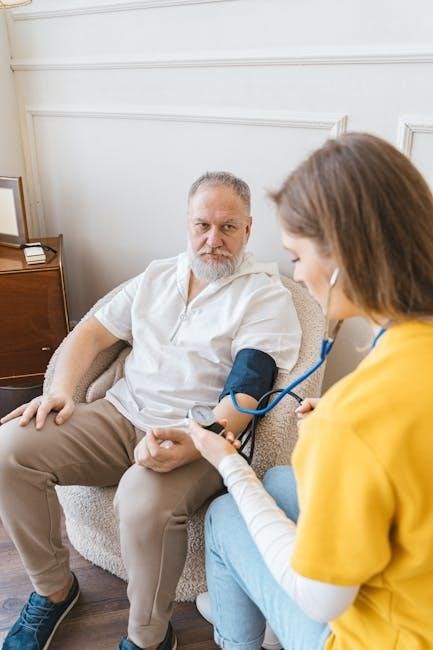
Home Health Registered Nurses deliver crucial medical care within patients’ homes, focusing on recovery, chronic disease management, and promoting self-sufficiency. They assess, plan, implement, and evaluate patient care.
Home health nursing represents a vital and expanding sector within healthcare, bringing skilled medical attention directly to patients’ residences. This specialized field focuses on providing comprehensive care to individuals recovering from illness or injury, managing chronic health conditions, or requiring assistance with daily living activities – all within the familiar and comfortable environment of their own homes.
Unlike traditional hospital-based care, home health nursing prioritizes patient independence and self-care. Home Health Registered Nurses (RNs) play a pivotal role in this process, conducting thorough assessments to understand each patient’s unique medical, physical, and emotional needs. These assessments form the foundation for developing individualized care plans designed to optimize patient outcomes and quality of life.
The core philosophy centers around empowering patients to actively participate in their own care, offering education and guidance to both patients and their families. This includes instruction on medication management, treatment protocols, and recognizing potential complications. Effective communication and collaboration with physicians and other healthcare professionals are also essential components, ensuring a coordinated and holistic approach to care. Ultimately, home health nursing aims to deliver high-quality, patient-centered care that promotes healing and well-being in a supportive home setting.
The Home Health Registered Nurse (RN) serves as a cornerstone of patient care within the home setting, embodying a dynamic and compassionate approach to healthcare delivery. Their responsibilities extend far beyond simply administering medications; they are holistic practitioners focused on improving patients’ overall well-being and fostering independence.
A key function involves conducting comprehensive patient assessments, meticulously evaluating medical history, current health status, and individual needs. This detailed evaluation informs the creation of tailored care plans, collaboratively developed to address specific medical, physical, and emotional requirements. RNs then skillfully implement these plans, providing direct patient care, including wound care, medication administration, and vital sign monitoring.
Furthermore, the role demands strong communication and interpersonal skills. RNs educate patients and their families on managing conditions, recognizing warning signs, and promoting self-care. Crucially, they act as liaisons between patients, physicians, and other healthcare team members, ensuring seamless coordination of care. A successful Home Health RN demonstrates not only clinical expertise but also empathy, adaptability, and a commitment to providing the highest quality of care in the comfort of the patient’s home.
The initial patient assessment is a foundational element of home health nursing, demanding a thorough and systematic approach. This comprehensive evaluation goes beyond simply reviewing medical records; it requires direct observation and interaction with the patient within their home environment.
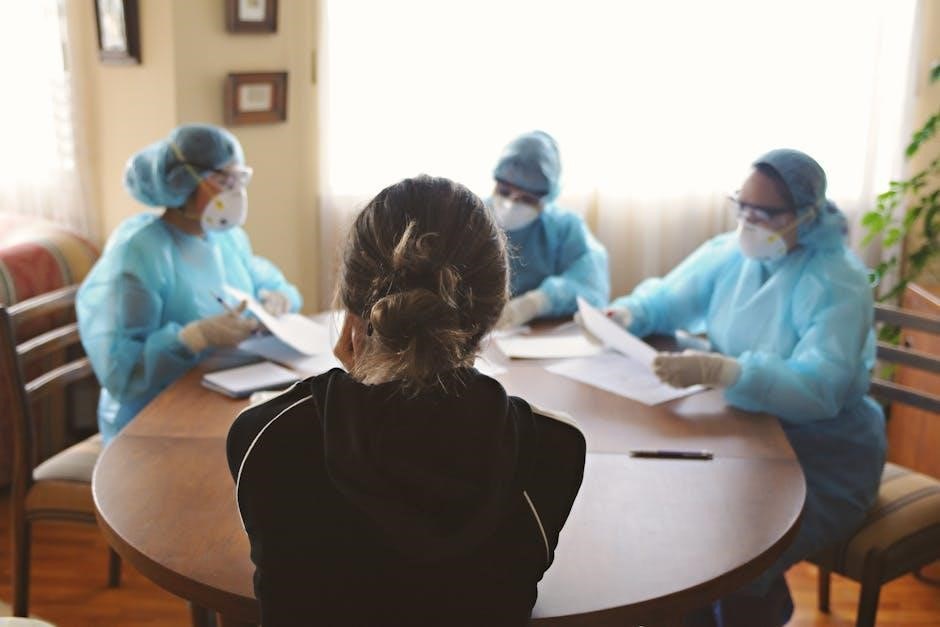
Registered Nurses meticulously gather data encompassing the patient’s medical history, current medications, allergies, and functional abilities. A detailed physical assessment, including vital signs, skin integrity, and neurological status, is crucial. Equally important is evaluating the patient’s psychosocial status, considering factors like emotional well-being, support systems, and coping mechanisms.
The home environment itself is assessed for safety hazards and accessibility, identifying potential barriers to care. This holistic assessment informs the development of an individualized care plan, addressing the patient’s unique needs and goals. Accurate and detailed documentation of all assessment findings is paramount, serving as the basis for ongoing care and communication with the healthcare team. This initial assessment sets the stage for effective, patient-centered home health services.
Following the initial assessment, the Home Health RN collaborates with the patient, their family, and the broader healthcare team to formulate a tailored care plan. This isn’t a static document, but a dynamic roadmap designed to address the patient’s specific medical, physical, and emotional requirements.
The plan outlines measurable goals, interventions, and expected outcomes. Interventions might include medication management, wound care, dietary modifications, or assistance with activities of daily living. Prioritization is key, focusing on the most pressing needs and aligning with the patient’s preferences and values.
Effective care plans are patient-centered, promoting independence and self-care whenever possible. They detail the frequency and duration of nursing visits, as well as specific tasks to be performed. Regular review and revision of the care plan are essential, based on the patient’s progress and any changes in their condition. Clear communication of the care plan to all involved parties ensures coordinated and consistent care delivery.
A core responsibility of the Home Health RN is meticulous medication management. This extends beyond simply administering prescribed drugs; it encompasses a thorough understanding of each medication’s purpose, dosage, potential side effects, and interactions.
RNs verify medication orders, ensuring accuracy and appropriateness for the patient’s condition. They educate patients and families on proper medication administration techniques, emphasizing adherence to schedules and potential adverse reactions to watch for. Safe storage and disposal of medications are also addressed.
During home visits, the RN observes for therapeutic effects and any signs of toxicity. They document medication administration accurately and promptly, noting any patient concerns or challenges. Collaboration with the physician is crucial if adjustments to the medication regimen are needed. The RN plays a vital role in preventing medication errors and optimizing the patient’s pharmacological therapy within the comfort of their home.
Home Health RNs frequently provide specialized wound care, addressing a range of issues from post-surgical incisions to chronic wounds like pressure ulcers or diabetic foot ulcers. A comprehensive assessment of the wound is paramount, evaluating size, depth, appearance, and signs of infection.
RNs select appropriate wound dressings based on wound characteristics, utilizing evidence-based practices to promote healing. They skillfully perform dressing changes, maintaining a sterile technique to prevent complications. Patient and family education is critical, teaching proper wound care techniques and recognizing signs of worsening condition.
Monitoring for infection is a continuous process, with RNs observing for redness, swelling, drainage, and increased pain. They document wound progress meticulously, reporting any concerns to the physician. The RN’s expertise in wound care significantly contributes to improved patient outcomes and quality of life, minimizing discomfort and preventing further complications within the home setting.
Home Health RNs are responsible for the consistent and accurate monitoring of vital signs – including temperature, pulse, respiration, and blood pressure – to establish baseline data and detect any subtle changes in a patient’s condition. This ongoing assessment extends beyond basic vitals to encompass a holistic evaluation of the patient’s physical, emotional, and cognitive status.
RNs observe for signs and symptoms related to the patient’s primary diagnosis and any potential complications. They assess pain levels, monitor for edema, and evaluate skin integrity. Detailed documentation of these observations is crucial, providing a clear picture of the patient’s health trajectory.
Any significant deviations from the baseline or concerning symptoms are promptly reported to the physician and the interdisciplinary team. This proactive monitoring allows for timely intervention, preventing potential crises and ensuring the patient receives appropriate care in the comfort of their home. Effective monitoring is central to positive patient outcomes.
Home Health RNs play a pivotal role in patient education, empowering individuals and their families to actively participate in the care process. This involves providing clear, concise instructions on medication management, treatment regimens, and disease-specific self-care techniques. Education isn’t simply delivering information; it’s ensuring comprehension and addressing any concerns.
RNs educate patients and families on recognizing signs and symptoms requiring medical attention, promoting early intervention and preventing complications. They also offer guidance on adapting the home environment to enhance safety and independence.
Crucially, family support is a core component. RNs provide emotional support, address anxieties, and offer resources to help families cope with the challenges of caring for a loved one at home. This collaborative approach fosters a strong partnership, leading to improved adherence to the care plan and ultimately, better patient outcomes. Effective communication and empathy are essential skills.
Home Health RNs don’t operate in isolation; effective collaboration with a multidisciplinary healthcare team is fundamental to optimal patient care. This includes regular communication with physicians, therapists (physical, occupational, speech), social workers, and other specialists involved in the patient’s care plan.
RNs serve as a vital link, relaying patient status updates, observations, and any changes in condition to the physician. They actively participate in care conferences, contributing their unique insights from the home environment. Sharing information ensures a coordinated and holistic approach.
Collaboration extends to actively seeking guidance and clarification from other team members when needed, and advocating for the patient’s needs. This interprofessional teamwork guarantees continuity of care, minimizes fragmented services, and ultimately leads to improved patient outcomes. Clear, concise documentation is essential for seamless communication and a unified care strategy.
Meticulous documentation is a cornerstone of home health nursing, driven by stringent legal requirements and serving as a critical record of patient care. Accurate, timely, and comprehensive charting is essential for legal protection, reimbursement, and continuity of care.
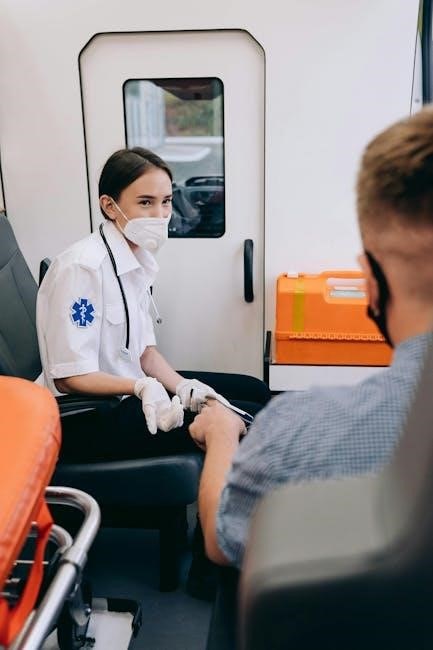
RNs must document all assessments, interventions, medications administered, patient responses, and communication with the healthcare team. Documentation should adhere to agency policies and relevant regulations, including HIPAA guidelines for patient privacy. Any deviations from the care plan or unusual occurrences must be documented immediately.
Reporting requirements extend beyond internal charting. RNs may be legally obligated to report suspected abuse, neglect, or unsafe living conditions to the appropriate authorities. Proper documentation provides a defensible record in case of legal challenges or audits. Failure to comply with documentation standards can result in penalties and compromise patient safety.
Home Health RNs must be prepared to respond effectively to emergencies in a non-traditional healthcare setting. This requires a thorough understanding of agency-specific emergency protocols and the ability to act quickly and decisively. Preparedness is paramount, given the potential for rapid deterioration of a patient’s condition outside of a hospital environment.

Protocols typically cover scenarios like falls, medication overdoses, sudden changes in vital signs, and acute illness exacerbations. RNs must know how to assess the situation, initiate appropriate interventions (like CPR), and contact emergency medical services (EMS) when necessary. Clear communication with dispatchers and arriving personnel is vital.
Furthermore, RNs should educate patients and families on emergency procedures, including how to access 911 and what information to provide. Maintaining a calm demeanor and providing reassurance to the patient and family during a crisis are also crucial components of emergency response. Regular drills and continuing education help maintain competency.
Home Health RNs play a pivotal role in supporting patients with chronic conditions, enabling them to maintain the best possible quality of life within their homes. This involves comprehensive assessment, ongoing monitoring, and individualized education tailored to each patient’s specific needs and challenges.
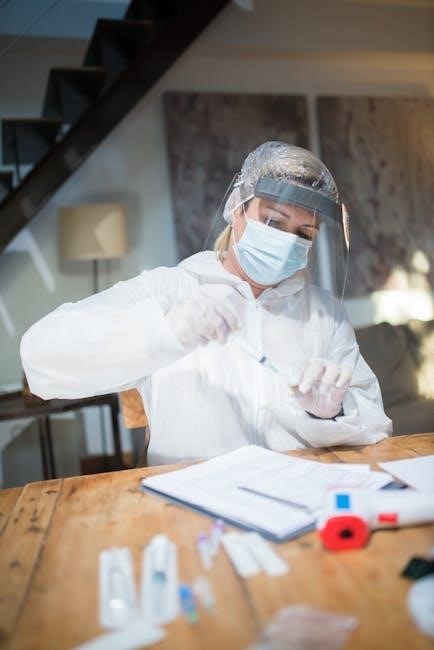
RNs assist patients in managing conditions like diabetes, heart failure, COPD, and arthritis. Key responsibilities include medication reconciliation, monitoring vital signs, recognizing early warning signs of exacerbations, and providing guidance on lifestyle modifications – diet, exercise, and symptom management.
A significant aspect is patient education, empowering individuals and their families to actively participate in their care. This includes teaching self-management techniques, proper medication administration, and when to seek medical attention. Collaboration with physicians and other healthcare professionals ensures a coordinated approach to chronic disease management, optimizing patient outcomes and reducing hospital readmissions.
Home Health RNs are instrumental in providing seamless transitions of care for patients recovering from surgery in the comfort of their homes. This specialized care focuses on preventing complications, managing pain, and promoting optimal healing, all while respecting the patient’s independence.
Post-operative care includes meticulous wound assessment and management, monitoring for signs of infection, and ensuring proper dressing changes. RNs administer prescribed medications, carefully evaluating their effectiveness and potential side effects. They also assess the patient’s functional status, assisting with activities of daily living as needed to facilitate recovery.
Crucially, home health nurses educate patients and families on post-operative instructions, including wound care, medication schedules, and activity restrictions. They also monitor for potential complications like bleeding, infection, or deep vein thrombosis, promptly reporting any concerns to the physician. Effective communication and collaboration with the surgical team are vital for ensuring a successful recovery at home.
Home Health RNs frequently provide crucial support with Activities of Daily Living (ADLs) for patients facing limitations due to illness, injury, or chronic conditions. This assistance is integral to maintaining patient dignity, promoting independence, and preventing complications associated with functional decline.
ADL support encompasses a range of tasks, including bathing, dressing, toileting, transferring, and feeding. The RN assesses the patient’s specific needs and capabilities, providing hands-on assistance or teaching adaptive strategies to maximize self-sufficiency. They carefully observe for any changes in the patient’s functional status, reporting these to the healthcare team.
Beyond physical assistance, RNs offer emotional support and encouragement, fostering a positive and empowering environment. They educate patients and families on safe techniques for assisting with ADLs, minimizing the risk of injury. The goal is to enable patients to maintain as much independence as possible, enhancing their quality of life within the home setting.
Effective Home Health RNs possess a diverse skillset extending beyond traditional clinical expertise. Core competencies include comprehensive assessment abilities – evaluating medical, physical, and emotional needs within the patient’s home environment. Developing and implementing individualized care plans is paramount, requiring critical thinking and problem-solving skills.
Proficiency in medication management, wound care, and vital sign monitoring are essential, alongside strong communication and interpersonal skills. RNs must effectively educate patients and families, fostering self-management and adherence to treatment plans. Adaptability is key, as each patient’s home and needs are unique.

Furthermore, strong organizational skills, meticulous documentation practices, and the ability to work independently are vital. Collaboration with physicians and the interdisciplinary team requires excellent communication and teamwork. Compassion, empathy, and a commitment to patient-centered care are fundamental qualities for success in this dynamic role.
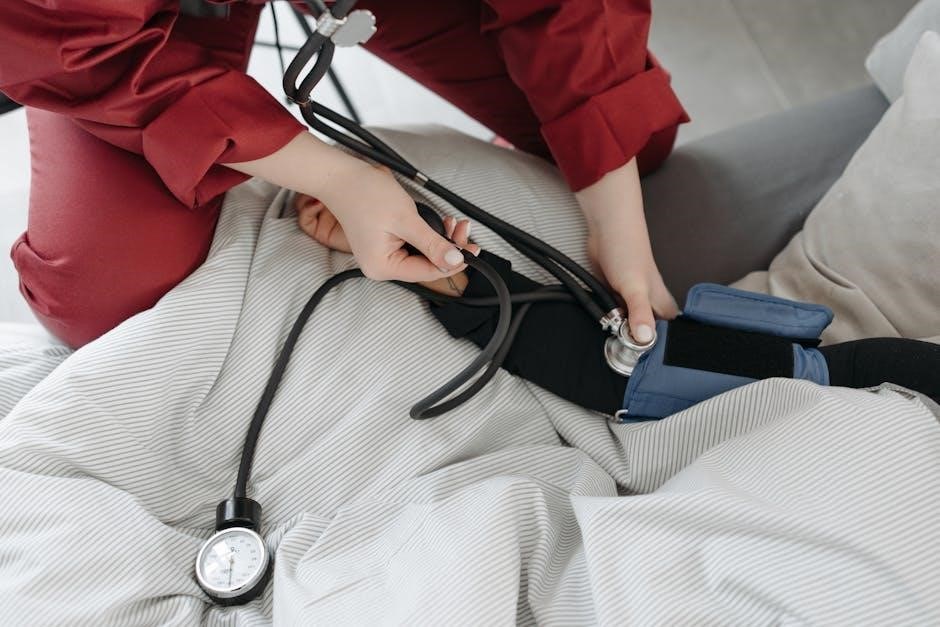
To practice as a Home Health Registered Nurse (RN), a current and valid Registered Nurse (RN) license is the foundational requirement, varying by state. Successful completion of an accredited nursing program – either an Associate Degree in Nursing (ADN) or a Bachelor of Science in Nursing (BSN) – is essential for licensure eligibility.
While not always mandatory, a Bachelor of Science in Nursing (BSN) is increasingly preferred by employers, demonstrating a higher level of education and critical thinking skills. Basic Life Support (BLS) certification is universally required, ensuring competence in emergency cardiac care. Advanced certifications, such as Certified Wound Care Nurse (CWCN), can enhance expertise.
Some agencies may require specific certifications related to specialized care, like intravenous (IV) therapy or medication administration. Maintaining continuing education units (CEUs) is crucial for license renewal and staying current with best practices. Proof of current immunizations and a clear criminal background check are also standard requirements for employment.
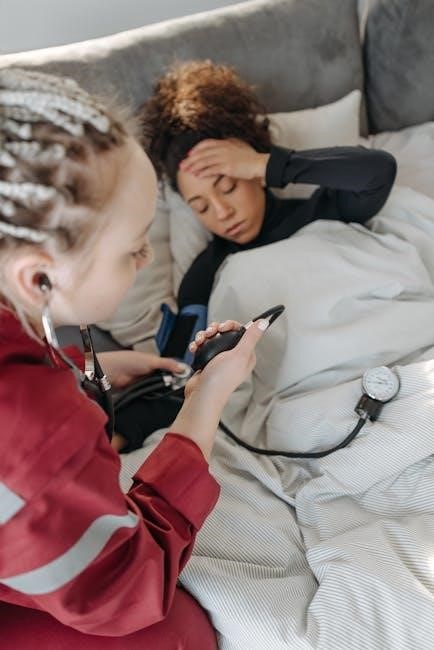
Home health care operates under stringent federal and state regulations, primarily overseen by the Centers for Medicare & Medicaid Services (CMS). The 2026 updates emphasize increased scrutiny of patient eligibility criteria, requiring more detailed documentation of skilled nursing needs to qualify for coverage.
Key areas of focus include the Patient-Driven Payment Model (PDPM), which continues to evolve, impacting reimbursement rates based on patient characteristics and care needs. Regulations surrounding telehealth services are expanding, necessitating adherence to HIPAA guidelines and ensuring patient privacy during virtual visits.
Accurate and comprehensive documentation remains paramount, with increased emphasis on demonstrating functional decline and the need for skilled intervention. Home health agencies must maintain compliance with infection control protocols and adhere to updated safety standards. Staying informed about these evolving regulations is crucial for nurses to ensure ethical and legal practice, and optimal patient care delivery.
Telehealth is rapidly transforming home health nursing, expanding access to care and improving patient outcomes. Remote patient monitoring (RPM) devices, such as wearable sensors and connected scales, allow nurses to track vital signs and identify potential issues proactively. Virtual visits via video conferencing facilitate regular check-ins, medication reconciliation, and patient education, reducing the need for in-person visits.
Electronic health records (EHRs) streamline documentation and enhance communication among the healthcare team. Mobile applications empower patients to manage their health, access educational resources, and report symptoms. However, successful telehealth implementation requires addressing digital literacy gaps among patients and ensuring data security and privacy.
Nurses must be proficient in using these technologies and adept at providing virtual care. Ongoing training and support are essential to maximize the benefits of telehealth and deliver high-quality, patient-centered care in the evolving landscape of home health.
Home health nursing presents unique ethical challenges due to the intimate nature of care delivered in a patient’s private residence. Maintaining patient autonomy and confidentiality is paramount, requiring nurses to respect patient choices and protect sensitive information. Navigating situations involving vulnerable adults, potential abuse, or neglect demands careful assessment and adherence to reporting obligations.
Balancing patient independence with safety concerns requires nuanced judgment. Nurses must advocate for patients’ rights while respecting their decisions, even if those decisions carry risks. Managing conflicts of interest, such as those arising from relationships with family members or caregivers, is crucial for maintaining professional boundaries.
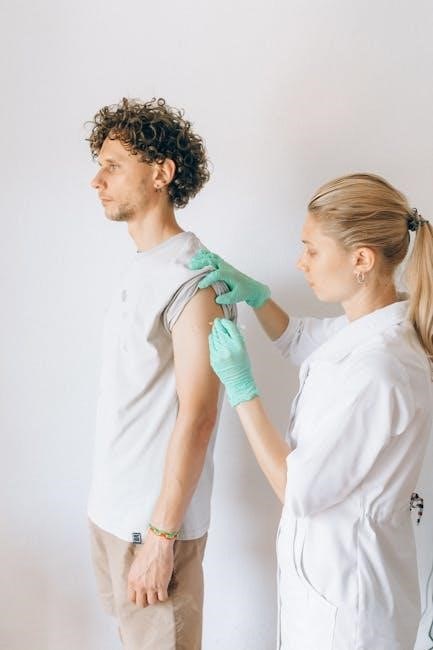
Cultural sensitivity and awareness are essential when providing care to diverse populations. Ethical dilemmas often arise in resource allocation and end-of-life care, necessitating thoughtful consideration and collaboration with the healthcare team. Adherence to professional codes of ethics and ongoing ethical reflection are vital for responsible practice;
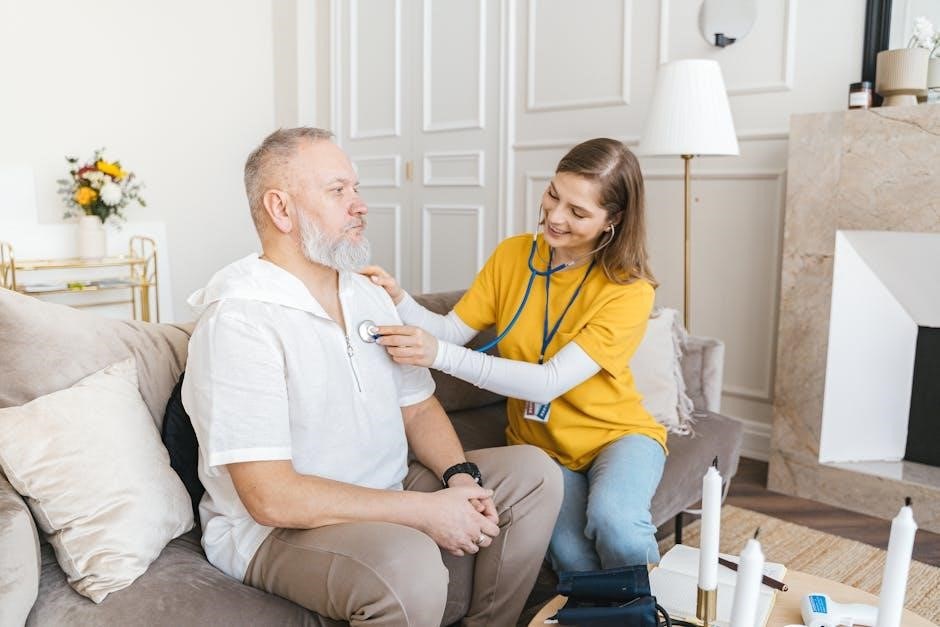
Numerous PDF guides and resources support home health nurses in navigating their complex roles. The Agency for Healthcare Research and Quality (AHRQ) offers toolkits on topics like medication safety and fall prevention, readily available for download. The National Association for Home Care & Hospice (NAHC) provides comprehensive resources, including clinical practice guidelines and regulatory updates, often in PDF format.
Sigma Nursing’s career resources include detailed job descriptions and career pathways for Home Health RNs, offering valuable insights into responsibilities and required competencies. State nursing boards frequently publish practice guidelines and position statements relevant to home health care, accessible as downloadable PDFs.
Professional organizations like the American Nurses Association (ANA) offer ethical guidelines and continuing education materials. Online databases, such as PubMed and CINAHL, provide access to research articles and evidence-based practice guidelines. Utilizing these resources ensures nurses remain current with best practices and regulatory requirements, enhancing the quality of patient care delivered in the home setting.