Categories
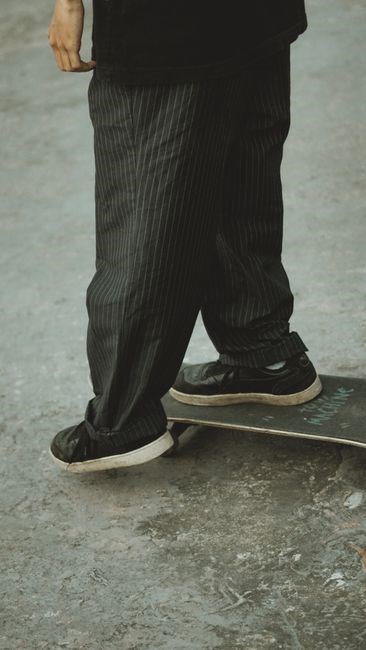
Pant break refers to the visible gap where the trouser leg meets the shoe. It signals a proper fit, style, and comfort. A proper break ensures a polished silhouette, preventing a sloppy look or excess fabric that can drag. Tailors adjust this by trimming or extending leg length. Tailor precision.
A pant break is the intentional gap that appears where the trouser leg meets the shoe, indicating the precise length of the leg. It is a key element in tailoring, influencing both aesthetics and functionality. A well‑executed break ensures that the trouser hangs smoothly over the shoe, creating a clean line that frames the leg and foot. This subtle detail prevents excess fabric from dragging, which can cause a sloppy look, and avoids a too‑tight fit that might restrict movement. Moreover, the break reflects the wearer’s style preference and body proportions, allowing the garment to complement height, leg length, and shoe width. In professional settings, a proper break conveys attention to detail and sartorial confidence, while in casual contexts it can signal relaxed or modern fashion choices; Ultimately, mastering pant breaks is essential for achieving a balanced silhouette, maximizing comfort, and projecting a polished appearance.
Beyond the basic definition, the break’s visual rhythm interacts with shoe width, cuffed hems, and overall silhouette. A narrow break aligns with slim shoes, while a broader break balances wide‑footed styles. Tailors often adjust the break to accommodate changes in leg length or to harmonize with a belt’s loop placement. Understanding these nuances ensures that the garment’s length complements the wearer’s posture, creating a cohesive and polished look that adapts to both formal and casual settings. All in all, it matters!
Common break types include no break, quarter break, half break, and full break. Each offers distinct silhouettes: no break for a sleek, modern look; quarter for a subtle touch; half for balance; full for a relaxed vibe. Choose based on style, leg length, and shoe width.
No break pants finish just above the shoe, creating a sleek, contemporary silhouette that pairs well with slim or tapered trousers. Quarter break pants have a small, subtle gap—typically 1–2 inches—providing a modest separation that works for both formal and casual wear; Half break, the most common choice, offers a 3–4 inch gap, balancing a clean look with enough fabric to avoid bunching. Full break pants feature a larger 5–6 inch gap, ideal for wide‑leg styles or when wearing bulkier shoes, ensuring the fabric drapes neatly without dragging.
Choosing the right break depends on several factors: leg length, shoe size, and personal style. For a polished business look, a half break is safest, as it keeps the pant leg neatly tucked without excess fabric. If you prefer a modern edge, a quarter break offers a subtle lift, especially with slim trousers. No break suits ultra‑slim cuts and can create a streamlined silhouette when paired with low‑cut shoes. Full breaks are ideal for relaxed, casual wear or for those with a larger frame, as the extra fabric prevents bunching and ensures a balanced proportion. Tailors can adjust the break by trimming the cuff or adding a slight seam, so always bring a pair of shoes to the fitting to gauge the final look. Remember, the goal is a clean line that follows the foot’s natural curve, avoiding a pile of fabric that looks unkempt.
Try different breaks to see what flatters your frame and lifestyle. now!! !

Measure from the top of the shoe to the cuff, noting the desired gap. For a half break, aim for 3–4 inches; quarter, 1–2 inches; full, 5–6 inches. Adjust by trimming or adding a seam, and always test with shoes on to ensure a clean, balanced finish. Measure twice, cut once, and adjust for fit.!!!
These steps ensure a precise break that complements your silhouette and footwear. Remember that fabric type influences how the hem behaves; heavier materials may require a slightly longer break to avoid bunching. Always test the final fit in the intended shoes, as the break’s appearance can change with different shoe heights. A well‑executed break not only looks polished but also enhances comfort by preventing excess fabric from dragging or catching on your shoes

Dress pants typically feature a half break, offering a balanced look. A quarter break can work for slimmer cuts, while a full break suits wide‑leg styles. Tailor adjustments depend on fabric, body type, and shoe height to maintain a clean silhouette. This standard ensures a polished look!!!
The half break, sometimes called a medium break, is the most widely accepted length for modern dress trousers. It provides a subtle, clean line that sits just above the shoe, allowing the cuff of the pant leg to touch the shoe lightly without creating a pronounced fold. This balance is key for a polished, business‑ready appearance.

When tailoring for a half break, the seam should be positioned so that the bottom of the leg rests approximately 1–2 inches above the shoe. This distance ensures that the fabric drapes naturally, preventing a “sloppy” look that can result from a full break, while avoiding the tightness of a quarter break that can feel restrictive.
For most body types, a half break works best because it accommodates a range of shoe heights and leg shapes. Taller individuals may find a slightly longer break comfortable, but the half break remains a safe default for average height and weight. In contrast, a full break is typically reserved for wide‑leg or “tapered” cuts, whereas a quarter break is suitable for very slim or tailored trousers.
For most body types, a half break works best because it accommodates a range of shoe heights and leg shapes. In contrast, a full break is reserved for wide‑leg or “tapered” cuts, while a quarter break suits very slim or tailored trousers.
In practice, a half break offers versatility across seasons. It pairs well with both formal shoes and casual footwear, adapting to varying fabric weights—from lightweight cotton to heavier wool blends—without compromising silhouette integrity.
Ultimately, the half break’s popularity stems from its ability to blend tradition with contemporary style, making it the go‑to choice for professionals who value both comfort and aesthetic precision. for style now!
Jeans and chinos thrive best with a break between a quarter and half. A quarter break gives a sleek, modern look, while a half break offers a relaxed, classic vibe. Avoid full breaks on skinny cuts, as they create bulk. Tailor the length to your shoe height and leg shape for optimal fit and fit.
When selecting jeans or chinos, the break—the small gap where the leg meets the shoe—plays a pivotal role in silhouette and comfort. A quarter break, where the hem touches the shoe lightly, offers a streamlined, contemporary aesthetic that suits slimmer cuts and modern wardrobes. It keeps the leg line clean, preventing excess fabric from bunching at the ankle. A half break, slightly longer, provides a relaxed, classic look that pairs well with broader leg styles and casual shoes.
Choosing between the two hinges on body shape, shoe height, and personal style. For individuals with a taller frame or slimmer legs, a quarter break often elongates the leg line without appearing too tight. Those with a more robust build or who favor a relaxed fit may find the half break more flattering, as it cushions the ankle and balances a wider leg. Shoe type also matters. Loafers or low‑cut sneakers work best with a quarter break, while boots or higher‑cut shoes pair nicely with a half break, ensuring the fabric doesn’t trail excessively.
Tailoring is key. A skilled tailor can adjust the break precisely, trimming the hem to the exact length needed; When shopping, test both breaks by walking in the shoes you plan to wear. The ideal break will feel natural, with the fabric resting just above or at the shoe without dragging. Remember, the goal is a polished, cohesive look that complements your overall outfit while maintaining comfort and style integrity. Fitmatters confidence.
Fabric weight and weave dictate break length. Heavy wool and twill needs a full break to avoid bunching, while linen can sit tighter with a quarter break. Structured and fabrics resist tailoring, requiring precise cuts to maintain shape. Adjust accordingly!!!.
Different fabrics behave uniquely when it comes to pant breaks. Lightweight cotton or linen drapes loosely, so a quarter or half break keeps the leg from dragging on the shoe. Heavy wool, tweed, or denim have more structure and tend to pile up if the break is too short; a full break or longer half break is often required. Stretch fabrics such as elastane blends can accommodate a tighter break because the fibers flex, allowing the leg to sit neatly at the shoe without excess fabric. The weave also matters: a tightly woven twill resists curling, so a medium break is usually optimal, whereas a loosely woven canvas can create a loose, casual look even with a small break. Additionally, the presence of lining or internal gussets can alter how the fabric falls; lined trousers often need a slightly longer break to account for the extra bulk. Tailors adjust the break by cutting the leg length or adding a slight taper, but the base fabric’s weight, stretch, and weave dictate the maximum and minimum break that will look balanced. Understanding these material nuances ensures that the chosen break complements both the garment’s structure and the wearer’s style. When tailoring, consider the shoe’s heel height; a break that matches the heel offers a clean line. Different brands cut leg length differently, so it’s wise to try on a full-length pair before cutting.A well‑measured break keeps the silhouette sharp and the overall look cohesive. The exact measurement can vary by brand and cut, so test with a full-length garment before finalizing.
Short bodies benefit from a half or full break to elongate the leg line, preventing a boxy look. Average builds look best with a medium break or even no break, as the extra length accentuates height without bulk. Tailor accordingly. A precise measurement ensures a balanced silhouette for all heights!
Choosing the right break blends geometry and style. A half break suits most shoes and body shapes, while a full break. A no‑break is best for very tall, slim silhouettes needing streamlined verylook!.
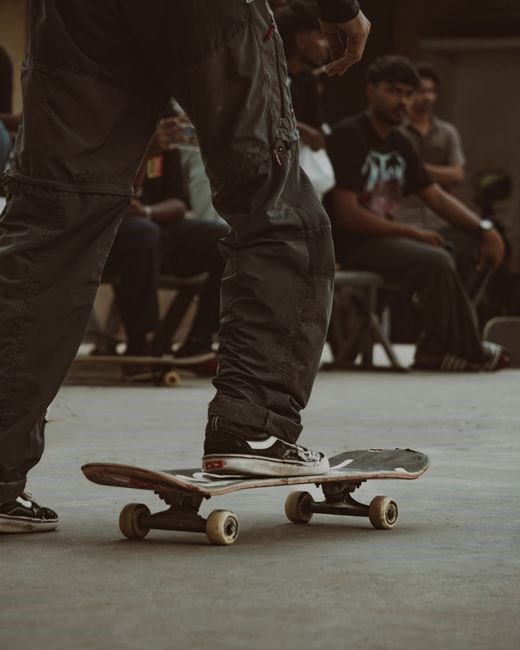
Modern wearers favor a subtle half break for a clean line, while statements use a full break to accent wide‑leg cuts. Athleisure blends no‑breaks for a sleek silhouette, fabrics encourage minimal tailoring. Personal flair dictates the final choice.nowtday!
Modern fashion embraces a spectrum of pant breaks, allowing wearers to tailor leg length to fit body shape, fabric weight, and personal taste. The half break remains the most common choice for dress trousers, striking a balance between a clean, traditional look and a subtle, contemporary edge. Full breaks are favored for wide‑leg or relaxed cuts, especially in chinos or denim, as they accommodate extra fabric and create a relaxed silhouette that pairs well with chunky or platform shoes. No‑breaks, on the other hand, are popular in athleisure and streetwear, offering a streamlined, low‑profile aesthetic that works with low‑cut sneakers or minimalist boots. Tailoring a break is a precise process: a skilled cutter trims the inseam to the desired length, then adjusts the leg opening to create the correct amount of fabric hanging over the shoe. When experimenting with breaks, it’s essential to consider shoe style, body proportions, and the garment’s intended use. Taller frames often benefit from a slightly longer break, while shorter frames may look better with a medium break to avoid an overly elongated appearance. In addition, the fabric’s structure influences the break: lightweight linens and cottons can handle a longer break without looking bulky, whereas heavier wools or tweeds may require a tighter break to maintain shape. Ultimately, the choice of break should reflect the wearer’s lifestyle, the outfit’s context, and the impact, ensuring that every step feels confident true to personal style.!