Categories
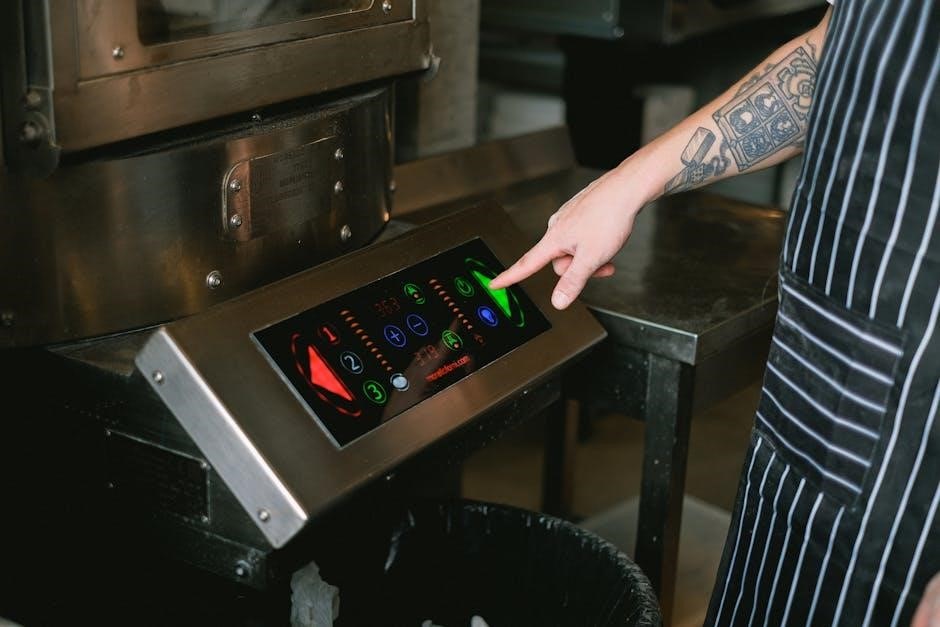
This manual provides essential guidance for safe and effective operation of your DeLonghi deep fryer, covering initial cleaning, usage, and maintenance procedures.
Detailed instructions ensure optimal frying results, alongside troubleshooting tips and vital safety precautions for a seamless cooking experience.
Welcome to the world of delicious, perfectly fried foods with your new DeLonghi deep fryer! This appliance is designed for convenient and safe home use, bringing restaurant-quality results to your kitchen. Before you begin, please take the time to thoroughly read this user manual.
Understanding the features and operating instructions will ensure optimal performance and longevity of your fryer. DeLonghi deep fryers offer user-friendly controls, precise temperature settings, and often include innovative features like oil filtration systems for healthier frying.
This manual will guide you through each step – from initial cleaning and preparation to operating the fryer, maintaining its cleanliness, and troubleshooting any potential issues. Remember to always prioritize safety when operating any electrical appliance.
Prioritize safety when using your DeLonghi deep fryer. Always ensure the appliance is placed on a stable, heat-resistant surface away from flammable materials. Never immerse the control unit or power cable in water or any other liquid.
Exercise extreme caution when handling hot oil. Do not overfill the fryer with oil, and always use the frying basket to lower food into the hot oil gently. Avoid touching the exterior of the fryer during operation as it becomes very hot.
Never move the fryer while it contains hot oil. Allow the oil to cool completely before draining or cleaning. Keep the fryer out of reach of children and ensure proper ventilation during use. Do not attempt to repair the fryer yourself; contact DeLonghi support for assistance.
Your DeLonghi deep fryer consists of several key components. The Fryer Base houses the heating element and controls, providing a stable foundation. The Removable Bowl, typically made of stainless steel, holds the oil and is designed for easy cleaning.
The Frying Basket allows for safe and controlled immersion of food into the hot oil. The Lid and Filters, often including a charcoal filter, help reduce odors and prevent splattering. Some models feature an Oil Saver system (O, P, and Q) for oil filtration and storage.
Familiarize yourself with each part to ensure proper assembly, operation, and maintenance. Refer to the diagrams in this manual for visual identification of each component.
The Fryer Base is the central housing unit of your DeLonghi deep fryer. It securely contains the heating element, responsible for rapidly heating the oil to the desired frying temperature. Crucially, the base also incorporates the control unit, featuring temperature settings and operational controls.
Avoid manually rotating the base, as this could damage internal components. The exterior should be cleaned with a damp cloth only; never immerse the base in water. The power cable is also connected to the base, requiring careful handling to prevent damage.
Ensure the base is placed on a stable, level surface during operation for safety and optimal performance.
The Removable Bowl is a key component of your DeLonghi deep fryer, designed to hold the oil for frying. Before initial use, and regularly thereafter, it must be thoroughly washed in hot, soapy water. This ensures the removal of any manufacturing residues and maintains hygiene.
The bowl is typically constructed from stainless steel, offering durability and ease of cleaning. Always ensure the bowl is completely dry before adding oil and before placing it back onto the fryer base.
Pay attention to the maximum oil capacity markings on the bowl to prevent overflow during operation. Handle with care, as the bowl and oil will become hot during use.
The Frying Basket is used to hold the food during the frying process. Like the removable bowl, it requires thorough cleaning in hot, soapy water before its first use and after each subsequent use. This removes food particles and ensures hygienic frying.
The basket often features a cool-touch handle for safe lifting and lowering into the hot oil. Avoid overcrowding the basket, as this can lower the oil temperature and result in unevenly cooked food.
Ensure the basket is securely positioned before lowering it into the oil, and always use it with the lid to prevent oil splattering. Regularly inspect the basket for any damage or wear.
The DeLonghi deep fryer lid serves multiple crucial functions. Primarily, it prevents oil splattering during operation, ensuring user safety. It also helps maintain a consistent oil temperature and reduces odor dispersion.
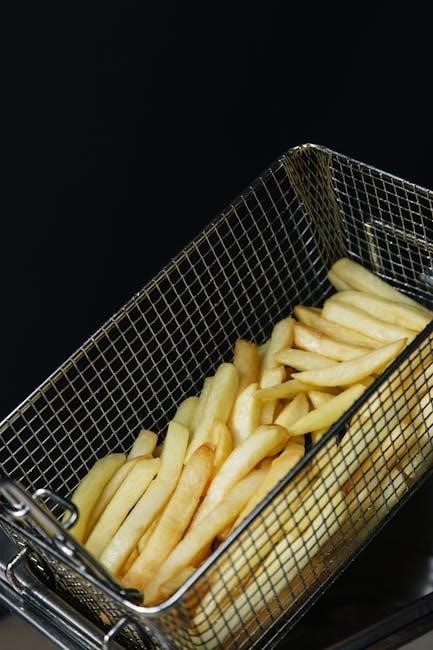
Most models incorporate filters within the lid – often charcoal filters – designed to absorb cooking smells and maintain air quality. These filters require periodic replacement to remain effective. Refer to your model’s specific instructions for filter replacement frequency.
Before cleaning, always ensure the fryer is cool and unplugged. The lid and filters can be washed in warm, soapy water. Avoid abrasive cleaners that could damage the filter material.
Prior to your initial use of the DeLonghi deep fryer, thorough cleaning is essential. Remove all packaging materials and inspect the appliance for any shipping damage. Wash the removable bowl, frying basket, and lid in hot, soapy water. Rinse completely and dry with a soft cloth.
Pay particular attention to the basket, ensuring all manufacturing residues are removed. The oil saver set (if included) should also be washed following the same procedure. The control unit and power cable should be wiped down with a damp cloth – never immerse them in water.
This initial cleaning process prepares the fryer for safe and hygienic operation, removing any potential contaminants that could affect the flavor of your food.
Begin by ensuring the fryer is placed on a stable, heat-resistant surface. Carefully fill the removable bowl with the appropriate oil, observing the minimum and maximum level indicators. Do not overfill! Set the desired frying temperature using the control panel, allowing the oil to heat up completely – this may take several minutes.
Once the oil reaches the set temperature, gently add food to the frying basket. Lower the basket slowly into the hot oil, avoiding splashing. Close the lid to maintain temperature and prevent splattering. Monitor the frying process, and use the timer (if equipped) for accurate cooking times.
Before filling, ensure the deep fryer is unplugged and completely cool. Carefully remove the bowl (Z) from the fryer base. Select a suitable oil – see the ‘Recommended Oil Types’ section for guidance. Slowly pour the oil into the bowl, always observing the minimum and maximum fill level markings inside the bowl.
Do not exceed the maximum level, as this could cause oil to overflow during frying. Similarly, do not fill below the minimum level, as it may affect frying performance. It’s crucial to use an appropriate amount of oil for the food quantity being fried.
Once the bowl is filled with oil, plug in the deep fryer. Use the temperature control dial or digital controls (if applicable) to set the desired frying temperature. Refer to the ‘Tips for Perfect Frying Results’ section or food packaging for recommended temperatures for different food types.
The fryer will begin to heat the oil. Allow sufficient time for the oil to reach the set temperature – the indicator light will typically illuminate when the desired temperature is achieved. Avoid setting excessively high temperatures, as this can lead to burnt food and potential fire hazards.
Before adding food, ensure it is thoroughly dried with paper towels to prevent splattering and reduce cooking time. Do not overcrowd the frying basket; work in batches to maintain oil temperature and ensure even cooking. Overfilling can lower the oil temperature significantly, resulting in soggy food.
Carefully lower the basket into the hot oil, using the handle to avoid burns. Lowering the food slowly minimizes splattering. Never immerse the basket without food, and avoid touching the hot oil directly. Ensure the food is fully submerged for consistent results.
Once the oil reaches the set temperature, and the food is safely placed in the basket, the frying process begins. The fryer may indicate this with a light or audible signal. Monitor the frying time closely, referring to recipe guidelines for optimal results. Avoid lifting the lid unnecessarily, as this can cause temperature fluctuations.
The fryer’s timer (if equipped) can be used to automatically lift the basket when frying is complete. Always use caution when handling the hot basket and food. Once finished, carefully remove the basket and place it on a heat-resistant surface to allow excess oil to drain before serving.
DeLonghi deep fryers offer precise temperature control, crucial for achieving perfectly cooked food. Most models feature a dial or digital controls to select the desired frying temperature, typically ranging from 150°F to 390°F (65°C to 200°C). Different foods require different temperatures; consult recipes or the fryer’s preset settings for guidance.
Some fryers include pre-programmed settings for common items like french fries, chicken, or fish. Adjusting the temperature ensures food is cooked thoroughly without burning or remaining undercooked. Consistent temperature maintenance is vital for crispy, golden results, and the fryer’s thermostat works to maintain this.
DeLonghi deep fryers are equipped with oil level indicators, essential for safe and efficient operation. These indicators, often marked “MIN” and “MAX” inside the frying bowl, clearly define the acceptable oil volume. Maintaining the oil level within these limits prevents overheating, splattering, and potential hazards.
Operating the fryer with insufficient oil can damage the heating element, while exceeding the maximum level can cause oil overflow during the frying process. Regularly check the oil level before each use, especially after cleaning or oil filtration. Always ensure the food is fully submerged in oil for even cooking and optimal results.
DeLonghi deep fryers often feature an Oil Saver system, designed to extend the lifespan and usability of your frying oil. This system typically includes a filtration process, utilizing replaceable filters (O, P, and Q) to remove food particles and impurities from the oil after each use.
The Oil Filtration Process involves carefully pouring the used oil through the filter system into a designated storage container. Storing the oil properly, in a cool, dark place, prevents rancidity and allows for multiple uses. Regularly replacing the filters ensures optimal filtration and maintains oil quality, saving you money and reducing waste.
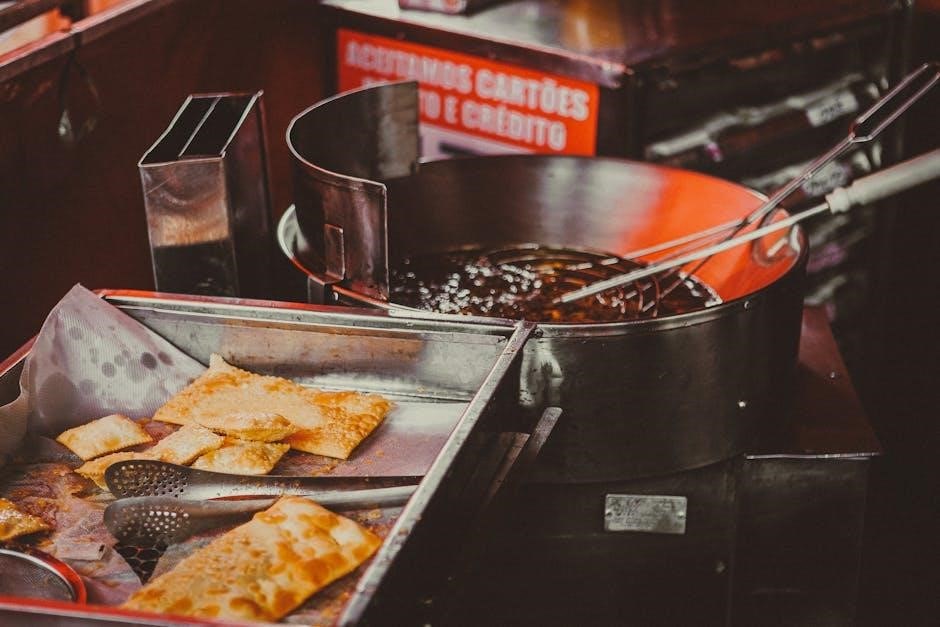
The oil filtration process is crucial for maintaining oil quality and extending its usability. After frying, allow the oil to cool completely before handling. Carefully pour the used oil through the Oil Saver set – components O, P, and Q – into a suitable, clean container.

The filters effectively remove food particles, preventing them from burning and affecting the flavor of future batches. Ensure the filter system is securely assembled before pouring. Regularly replacing the filters is essential; a clogged filter compromises the filtration efficiency. Discard used filters responsibly, and always handle hot oil with extreme caution.
Proper oil storage is vital for maintaining its quality and preventing degradation. After filtration, pour the cooled oil into an airtight container, preferably the original oil bottle or a dedicated storage container. Store the container in a cool, dark, and dry place, away from direct sunlight and heat sources.
Avoid storing oil near flammable materials. Properly stored oil can typically be reused several times, depending on usage and filtration effectiveness. Discard oil that becomes dark, cloudy, or develops an unpleasant odor. Always label the container with the date of first use to track its age and ensure optimal frying results.
If your DeLonghi deep fryer features a digital display, it will provide precise temperature settings and timer controls. The display typically shows the selected temperature, remaining frying time, and operational status. Use the control panel buttons to adjust the temperature, set the timer, and initiate the frying cycle.
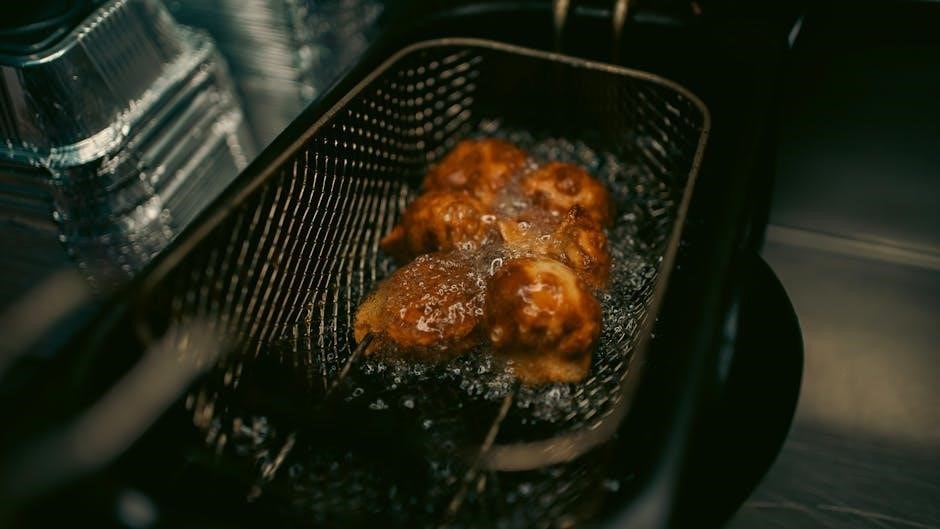
Some models may include pre-set programs for common foods, simplifying the cooking process. Error messages on the display indicate potential issues, such as overheating or sensor malfunctions. Refer to the troubleshooting section of this manual for guidance on resolving error codes. Ensure the display is clean and dry for optimal visibility.
Regular cleaning is crucial for maintaining your DeLonghi deep fryer’s performance and longevity. Always unplug the fryer and allow it to cool completely before cleaning. The bowl, basket, and lid are typically dishwasher safe, or can be washed by hand with warm, soapy water. Avoid abrasive cleaners that could damage the non-stick coating.
The control unit and power cable should be wiped down with a damp cloth; never immerse them in water. Ensure all components are thoroughly dried before reassembly. Periodically check and clean the oil filtration system (if equipped) to maintain oil quality. Proper maintenance ensures safe and efficient operation.
After each use, and before storing, thoroughly clean the removable bowl, frying basket, and lid of your DeLonghi deep fryer. These components can generally be washed in hot, soapy water. Alternatively, many models allow for dishwasher cleaning – check your specific model’s instructions.
Avoid using abrasive cleaning pads or harsh detergents, as these can damage the non-stick coating of the bowl and basket. Pay close attention to removing any residual oil or food particles. Ensure the lid’s filters are also cleaned or replaced regularly for optimal performance and to prevent odors.
The control unit and power cable require careful cleaning to ensure longevity and prevent hazards. Never immerse the control unit in water or any other liquid. Instead, use a damp cloth to gently wipe down the exterior surfaces, removing any splatters or grease.
Ensure the fryer is unplugged before cleaning these components. For the power cable, inspect it for any damage, such as cuts or fraying. Wipe the cable with a damp cloth, avoiding bending or stressing the cord. Do not use abrasive cleaners, as they can damage the plastic coating. Regular cleaning maintains safe operation.
Encountering issues with your DeLonghi deep fryer? This section addresses frequent problems. If the fryer isn’t heating, check the power connection and ensure the temperature is set correctly. Oil not reaching temperature may indicate insufficient oil or a faulty heating element – contact support if persistent.
Digital display error messages require consulting the manual for specific codes and solutions. Always prioritize safety; never attempt repairs yourself. Ensure proper oil levels and clean components. If problems persist after these checks, contacting DeLonghi support is recommended for professional assistance and to avoid potential hazards.
If your DeLonghi deep fryer isn’t heating, begin by verifying the power cord is securely plugged into a functioning outlet. Check your home’s circuit breaker or fuse box to ensure the circuit hasn’t tripped or blown. Confirm the fryer’s temperature is set above the minimum level, as some models won’t activate below a certain point.
Inspect the control panel for any error indicators. If the issue persists, the heating element itself might be defective, requiring professional repair. Do not attempt to disassemble or repair the fryer yourself; contact DeLonghi support for assistance to avoid electrical hazards and maintain warranty validity.
If the oil in your DeLonghi deep fryer isn’t reaching the set temperature, ensure you’ve filled the bowl with the correct amount of oil, respecting the minimum and maximum fill lines. Using insufficient oil can significantly prolong heating time. Verify the lid is properly in place, as some models feature safety mechanisms preventing operation without it.
Consider the initial oil temperature; very cold oil will take longer to heat. Avoid overloading the basket with food, as this drastically lowers the oil temperature. If the problem continues, the heating element may be losing efficiency, potentially needing professional inspection or replacement. Never operate a fryer with a malfunctioning heating element.
If your DeLonghi deep fryer with a digital display shows an error message, consult the manual’s dedicated troubleshooting section for specific code definitions. Common errors might indicate a temperature sensor malfunction, an issue with the heating element, or a problem with the oil level detection system.
Attempting to reset the fryer by unplugging it for a few minutes can sometimes clear temporary errors. If the error persists, do not attempt self-repair. Contacting DeLonghi support is crucial for accurate diagnosis and guidance. Note the exact error code when contacting support to expedite the process and ensure a swift resolution to the issue.
Achieving consistently perfect frying results with your DeLonghi deep fryer requires attention to detail. Ensure food is thoroughly dry before adding it to the hot oil to prevent splattering and ensure even cooking; Avoid overcrowding the basket; fry in batches for optimal crispness.
Maintain the correct oil temperature throughout the frying process, using the fryer’s controls to adjust as needed. Utilize the oil filtration system regularly to maintain oil quality and extend its lifespan. Properly preheating the oil is essential, and always follow recommended frying times for different food types to avoid under or overcooking.
Selecting the right oil is crucial for both flavor and safety when using your DeLonghi deep fryer. High smoke point oils are recommended to prevent oil breakdown and ensure food safety. Excellent choices include refined peanut oil, sunflower oil, canola oil, and vegetable oil blends specifically designed for deep frying.
Avoid using olive oil, as its low smoke point can lead to unpleasant flavors and potential hazards. Regularly filter the oil, regardless of type, to remove food particles and maintain quality. Consider the flavor profile of the oil and how it complements the foods you intend to fry for the best results.
Maintaining food safety is paramount when deep frying with your DeLonghi appliance. Always ensure food is thoroughly thawed before frying to prevent splattering and uneven cooking. Avoid overcrowding the frying basket, as this lowers the oil temperature and results in soggy food, increasing cooking time and potential bacterial growth.
Use a food thermometer to verify that food reaches a safe internal temperature, particularly when frying poultry or meat. Never refry used food. Properly dispose of used oil and allow fried food to drain on paper towels to remove excess grease. Practice diligent hygiene, washing hands and surfaces after handling raw food.
Adhering to the maximum oil capacity is crucial for safe and efficient operation of your DeLonghi deep fryer. Exceeding this limit can cause oil overflow during the frying process, posing a significant burn hazard and potentially damaging the appliance.
Refer to the specific model’s specifications, typically found on the unit itself or in the accompanying documentation, to determine the precise maximum oil level. Do not fill past the designated ‘max’ indicator within the removable bowl. Always ensure the oil level is sufficient to fully submerge the food, but never surpasses the safe limit.
Understanding the technical specifications of your DeLonghi deep fryer ensures proper usage and maintenance. These details vary by model, but generally include voltage (typically 120V), wattage (ranging from 1500W to 1800W), and overall dimensions.
The oil capacity is a key specification, defining the maximum volume of oil the fryer can safely hold. Other important parameters include the temperature range (often 175°F to 375°F) and the weight of the appliance. Refer to the product label or user manual (Delonghi CGH1030D is one model) for precise values specific to your DeLonghi fryer model.
DeLonghi provides a warranty on its deep fryers, protecting against manufacturing defects. The standard warranty period is typically one year from the date of purchase, covering parts and labor. However, specific terms and conditions may vary depending on the model and region.
To make a warranty claim, retain your proof of purchase and contact DeLonghi support. The warranty does not cover damage resulting from misuse, accidents, or unauthorized repairs. Carefully review the warranty documentation included with your fryer for complete details regarding coverage and exclusions. Registering your product online may also streamline the warranty process.
Responsible disposal of your DeLonghi deep fryer is crucial for environmental protection. Do not dispose of the appliance with household waste. Instead, utilize designated collection points for electronic waste recycling, ensuring proper handling of components and oil residue.
Many municipalities offer e-waste recycling programs; check with your local authorities for details. Properly drain and dispose of used frying oil according to local regulations – never pour it down the drain. Disassembling the fryer yourself can be hazardous; leave that to qualified recycling professionals. Following these guidelines helps minimize environmental impact.
For assistance with your DeLonghi deep fryer, several support options are available. Visit the official DeLonghi website to access a comprehensive FAQ section and troubleshooting guides. You can also find contact information for customer service representatives, including phone numbers and email addresses.
DeLonghi’s website often provides live chat support for immediate assistance. When contacting support, have your model number and purchase date readily available. Detailed user manuals and parts diagrams are also accessible online. For warranty claims or complex issues, follow the specific instructions outlined on the DeLonghi website to ensure efficient resolution.