Categories

Printable fishing lure templates offer DIY enthusiasts a cost-effective path to crafting custom baits. These PDF resources simplify lure creation,
bridging the gap between imagination and angling success.
Printable fishing lure templates are pre-designed patterns, typically available as PDF files, that serve as guides for crafting your own fishing lures. These templates outline the shape and dimensions of various lure types – crankbaits, spinnerbaits, jigs, and soft plastics – eliminating the need to start from scratch. They essentially provide a blueprint, allowing both beginners and experienced lure makers to replicate proven designs or experiment with modifications.
These PDF templates are designed to be printed on standard paper and then used as a cutting guide for materials like wood, plastic, or even metal. They often include details for weight placement, line tie positioning, and hook slots, streamlining the lure-making process and ensuring consistent results. Accessing these templates is often free online, fostering a vibrant DIY community.
Utilizing printable fishing lure templates, often in PDF format, offers numerous advantages. Primarily, they significantly reduce the time and skill required to create effective lures. Instead of painstakingly designing shapes, templates provide a ready-made foundation, perfect for beginners. They also ensure consistency in lure dimensions, crucial for replicating successful patterns.
Furthermore, templates encourage experimentation. Anglers can easily modify existing designs to tailor lures to specific fishing conditions or target species. PDF templates are cost-effective, often free to download, and eliminate the need for expensive carving tools or design software. This accessibility empowers anglers to personalize their tackle and potentially improve their catch rates.
Printable fishing lure templates cover a wide spectrum, including PDF designs for crankbaits, spinnerbaits, jigs, and soft plastics, catering to diverse angling needs.
Crankbait templates, often available as PDF downloads, are essential for replicating classic or designing innovative lures. These templates typically outline the body shape, lip angle, and line tie position – crucial elements for achieving the desired action in the water.
You’ll find templates for various crankbait styles, including squarebills, lipless crankbaits, and deep-diving models. Many designs allow for customization of length and width, enabling anglers to tailor lures to specific fish species and water conditions. Printable templates simplify the process of creating a consistent shape, ensuring each lure performs predictably.
Beginners benefit from simpler templates, while experienced lure makers can explore more complex designs. Remember to consider the material thickness when selecting a template, as it impacts the final lure’s buoyancy and action.
Spinnerbait templates, commonly found as PDF files, focus on the lure’s head and skirt attachment points. These templates guide the creation of the wireframe, ensuring proper blade alignment and rotation – vital for flash and vibration. Different templates cater to single or double Colorado, willow leaf, or Indiana blades.
Templates often include dimensions for the head’s length, width, and angle, influencing the spinnerbait’s profile and action. Skirt attachment points are clearly marked, allowing for secure tying of silicone or bucktail skirts. Printable templates streamline the process of bending and shaping the wire, ensuring consistency between lures.
Consider blade size and weight when choosing a template, as these factors affect the spinnerbait’s sink rate and overall presentation.
Jig templates, typically available as PDF downloads, concentrate on the jighead shape and hook alignment. These templates assist in molding or carving jigheads from materials like lead or tungsten, ensuring a streamlined profile for optimal penetration and hooksets.
Templates often specify angles for the hook keeper, influencing how securely the plastic trailer is held. Different templates cater to various jig styles – football, swim, casting, or flipping jigs – each designed for specific presentations and cover types.
Precise dimensions for the head’s width, length, and cone angle are crucial for achieving the desired action and feel. Printable templates simplify the process of creating consistent jigheads, improving lure performance.
Soft plastic lure templates, commonly found as PDF files, focus on creating worm, grub, creature bait, and swimbait shapes. These templates provide outlines for molds or hand-carving, enabling anglers to customize lure profiles and actions.
Templates detail body length, width, rib patterns, and tail designs, influencing the lure’s movement and appeal. Variations exist for different techniques – Texas rigging, Carolina rigging, or drop-shotting – each requiring specific features.
Accurate template scaling is vital for mold compatibility. Printable templates streamline the creation of unique soft plastics, allowing anglers to match the hatch or experiment with novel presentations.
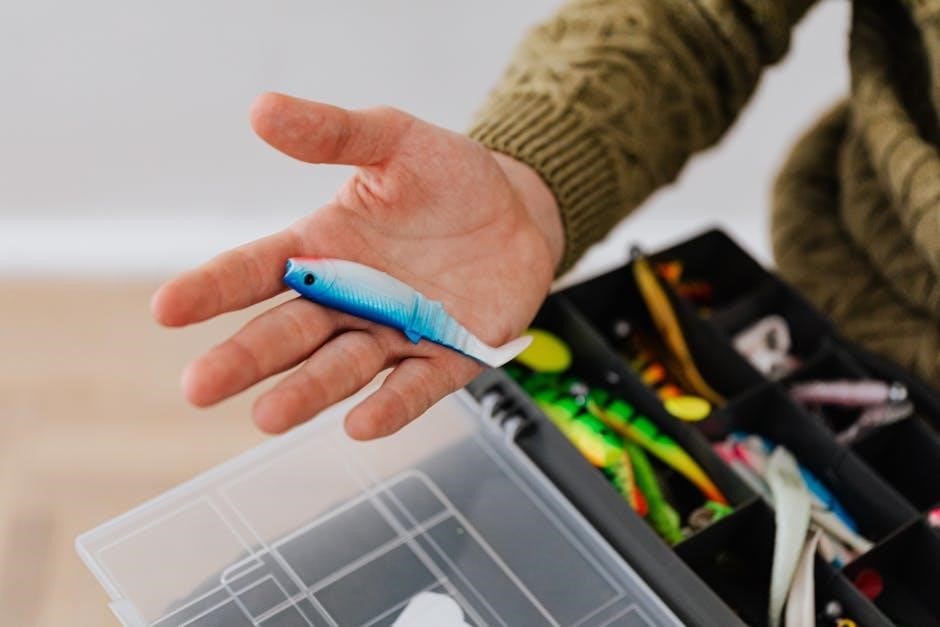
PDF lure templates are readily available online through dedicated fishing forums, websites, and marketplaces. Both free and premium options cater to diverse crafting needs.
Numerous online platforms generously offer printable fishing lure templates in PDF format, providing accessible starting points for aspiring lure makers. Dedicated fishing forums, like those frequented by seasoned anglers, often host sections where members share their custom designs and templates freely. Websites specializing in DIY projects and crafting frequently feature lure-making resources, including downloadable PDF files.
A quick web search using keywords like “free fishing lure templates PDF” will reveal a wealth of options. Platforms like Pinterest can also be surprisingly fruitful, showcasing curated collections of templates linked to various sources. However, always exercise caution when downloading files from unfamiliar websites, ensuring your antivirus software is up-to-date to protect against potential malware. Remember to verify the template’s suitability for your intended lure type and skill level before committing to a project.
While free printable fishing lure templates (PDF) are abundant, investing in paid options unlocks several advantages. Commercial template providers often offer higher-quality designs, meticulously crafted for optimal hydrodynamic performance and visual appeal. These templates frequently include detailed instructions, material lists, and even suggested paint schemes, streamlining the lure-making process.
Paid templates often cover a wider range of lure types and complexities, catering to both beginners and experienced artisans. Furthermore, purchasing templates supports the designers, encouraging continued innovation and the creation of new resources. Expect better customer support and access to exclusive designs not found elsewhere. Consider paid options if you prioritize precision, detailed guidance, and a broader selection of lure styles in PDF format.
Before utilizing any printable fishing lure template (PDF), carefully review its licensing terms. Free templates may have restrictions on commercial use – meaning you can’t sell lures made from them. Paid templates generally offer clearer usage rights, but it’s still crucial to understand the specifics.
Look for licenses specifying whether the template is for personal use only, or if it permits small-scale or full-scale commercial production. Some licenses may require attribution to the template creator. Ignoring these terms can lead to legal issues. Always download templates from reputable sources and retain a copy of the license agreement for your records. Respecting intellectual property ensures a sustainable community for lure designers and makers.
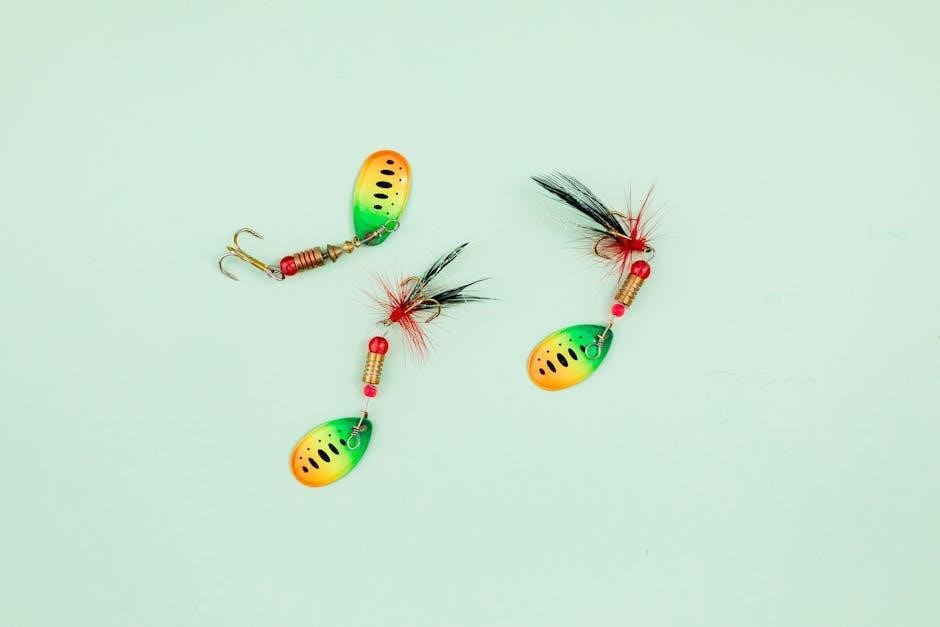
Printable fishing lure templates require materials like plastic sheets, wood, or even metal. Essential hardware includes hooks, split rings, and wire for assembly.
When utilizing printable fishing lure templates, selecting the right material for the lure body is crucial. Several options cater to different skill levels and desired lure characteristics.
Polycarbonate sheets are popular due to their durability and ease of cutting, making them ideal for beginners. Wood, such as balsa or basswood, offers a classic feel and allows for intricate carving, though it requires more experience.
For soft plastic lures, silicone or plastisol are essential, requiring molds created from the PDF templates. Metal, like aluminum, provides weight and a unique action, but demands specialized tools for shaping. Consider the lure’s intended use and your comfort level when choosing a material.
Successfully completing lures based on printable fishing lure templates necessitates acquiring appropriate hardware. High-quality hooks are paramount, with sizes and styles varying based on the target species and lure type. Corrosion-resistant options are highly recommended for freshwater and saltwater environments.
Split rings connect the hook to the lure body, facilitating movement and enhancing the lure’s action. Stainless steel split rings are durable and reliable. Swivels prevent line twist, particularly important for lures designed to spin or rotate.
Eye screws or wire loops are needed to attach the split rings and swivels to the lure body, ensuring a secure connection. Consider the weight and strength of each component for optimal performance.
Transforming printable fishing lure templates into tangible baits requires a selection of cutting and shaping tools. A sharp hobby knife or precision craft knife is essential for accurately cutting out the lure body from your chosen material. Safety precautions, like using a cutting mat, are crucial.
Files and sandpaper, in varying grits, are vital for smoothing edges and refining the lure’s shape. Rotary tools, like Dremels, with sanding and carving attachments, accelerate shaping and detailing.
For wooden lures, a coping saw or band saw can efficiently remove larger material sections. Clamps secure the lure during shaping and finishing. Always wear appropriate safety glasses and dust masks during these processes.
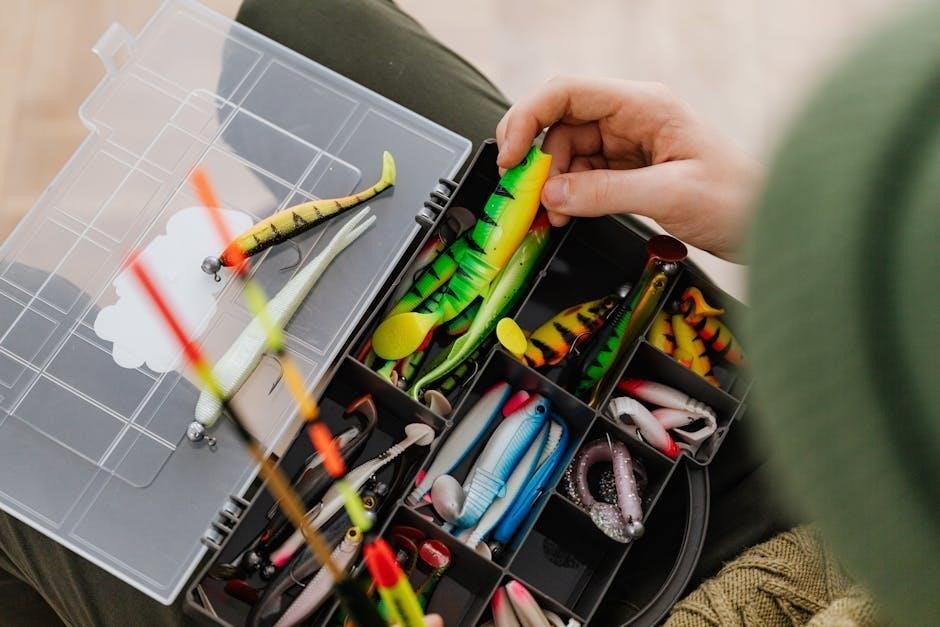
Printable lure templates (PDF) guide you through crafting custom baits. Print, transfer the design, carefully cut, and shape – then it’s time to fish!
Ensuring accurate template printing is crucial for successful lure making. Begin by selecting the “actual size” or “100% scale” option within your PDF viewer’s print settings. Avoid “fit to page” as this will distort the lure’s dimensions.
Prior to printing the entire template, perform a test print of the included scale ruler. Verify its accuracy with a physical ruler; adjustments to scaling may be necessary. Use high-quality paper – cardstock is ideal – to maintain shape during cutting and tracing.
Double-check printer settings for optimal resolution. A higher DPI (dots per inch) will yield sharper lines, improving precision when transferring the template to your chosen lure-making material. Accurate printing is the foundation of a well-crafted lure.
Accurately transferring your printed PDF template is vital. For wood or plastic, adhere the printed template using spray adhesive, ensuring a smooth, bubble-free surface. Alternatively, carefully trace the outline onto the material using a sharp pencil or scribe.
If using carbon paper, place it between the template and material, then trace firmly. For softer materials like clay, gently press the template into the surface, creating an impression.
Double-check the transferred outline for accuracy before cutting. Minor discrepancies at this stage can significantly impact the lure’s final performance. Precise transfer ensures symmetry and proper lure action.
Carefully cut out the lure body following the transferred template outline. Utilize appropriate tools – a coping saw for wood, a craft knife for plastic, or sculpting tools for clay. Prioritize safety; always wear protective eyewear and gloves.
After cutting, begin shaping the lure body. Employ files, sandpaper (various grits), or rotary tools to refine the contours and create desired angles. Smooth transitions are crucial for optimal hydrodynamics.
Regularly compare your work to the template, ensuring symmetry and adherence to the design. Remember, subtle adjustments can dramatically affect the lure’s action in the water. Patience and precision are key to a successful outcome.
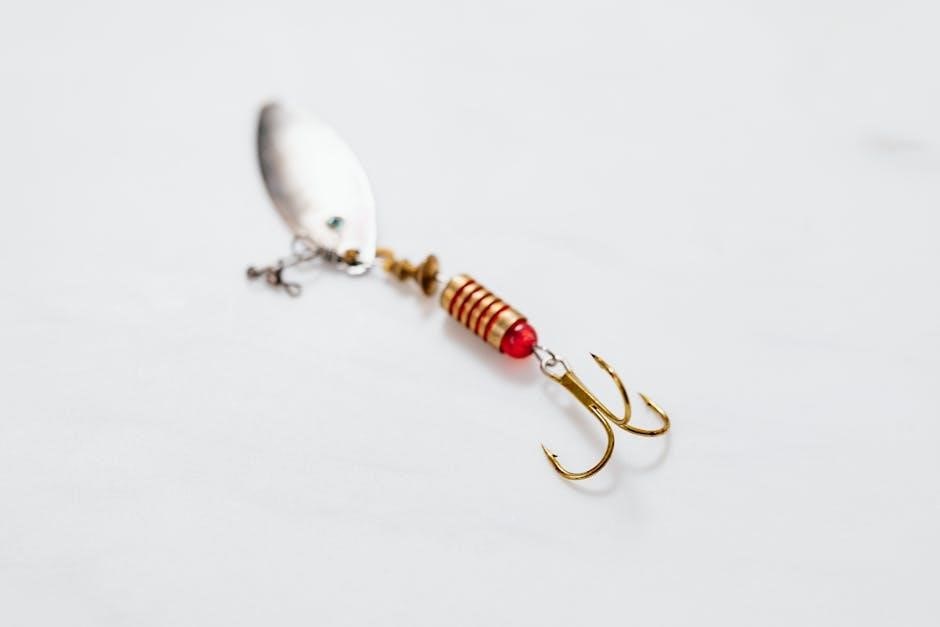
Finishing and painting lures enhances durability and attraction. Proper surface preparation, quality paints, and detailed artistry transform a blank lure into a fish-catching masterpiece.
Proper surface preparation is crucial for paint adhesion and a professional finish. Begin by thoroughly sanding the lure body, starting with a coarser grit (around 120-180) to remove imperfections and then progressing to finer grits (220-320) for smoothness.
This creates a ‘tooth’ for the primer to grip.
Next, meticulously clean the lure with a degreasing agent like dish soap or rubbing alcohol to eliminate any oils, dust, or residue. Ensure it’s completely dry before proceeding.
Applying a primer specifically designed for the lure material (plastic, wood, or metal) is highly recommended. Primer seals the surface, provides a uniform base for the paint, and improves adhesion, preventing chipping and peeling. Allow the primer to dry completely according to the manufacturer’s instructions before painting.
Several paint types suit lure making, each with unique properties. Acrylic paints are popular for their versatility, fast drying time, and water-based cleanup. Enamel paints offer durability and a glossy finish but require solvent-based cleanup. Airbrushing provides a smooth, even coat and allows for intricate detailing, though it requires specialized equipment.
For beginners, spray paints offer convenience.
Apply paint in thin, even coats to prevent runs and drips. Multiple thin coats are preferable to one thick coat. Allow each coat to dry completely before applying the next. Consider using stencils or masking tape for patterns and designs. Seal the finished paint job with a clear coat for added protection and durability.
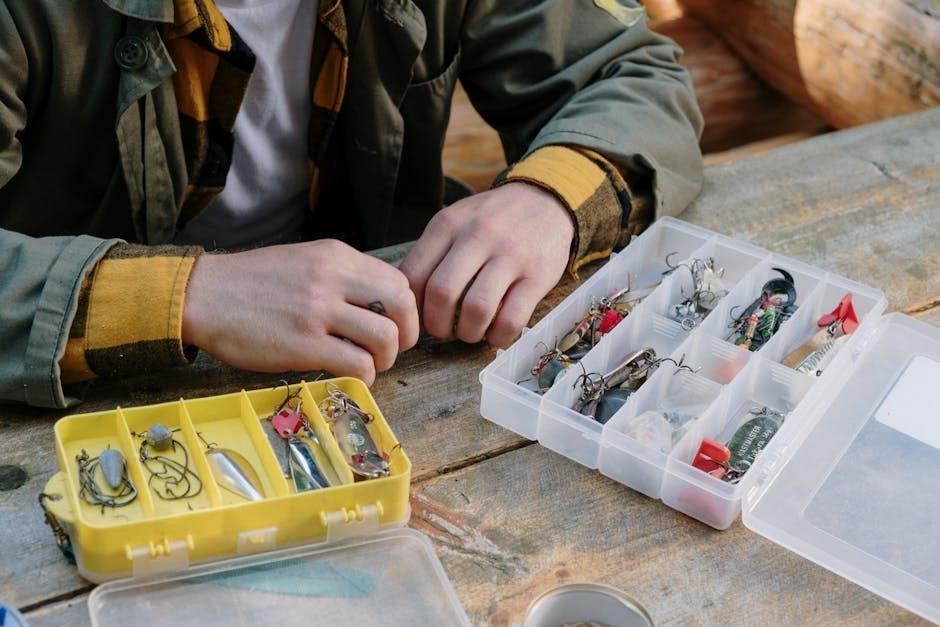
Enhance lure realism with meticulous detailing. Eyes, often 3D, are crucial. Apply decals for scales or patterns, securing them with a clear coat. Use fine-tipped markers for gill plates or intricate designs. Consider adding reflective tape or glitter for increased visibility underwater.
Protective coatings are vital for durability. Epoxy resin provides a robust, glossy finish, shielding the paint from chipping and water damage. Polyurethane offers good abrasion resistance and UV protection. Apply several thin coats, allowing each to cure fully. This extends lure lifespan and maintains visual appeal.
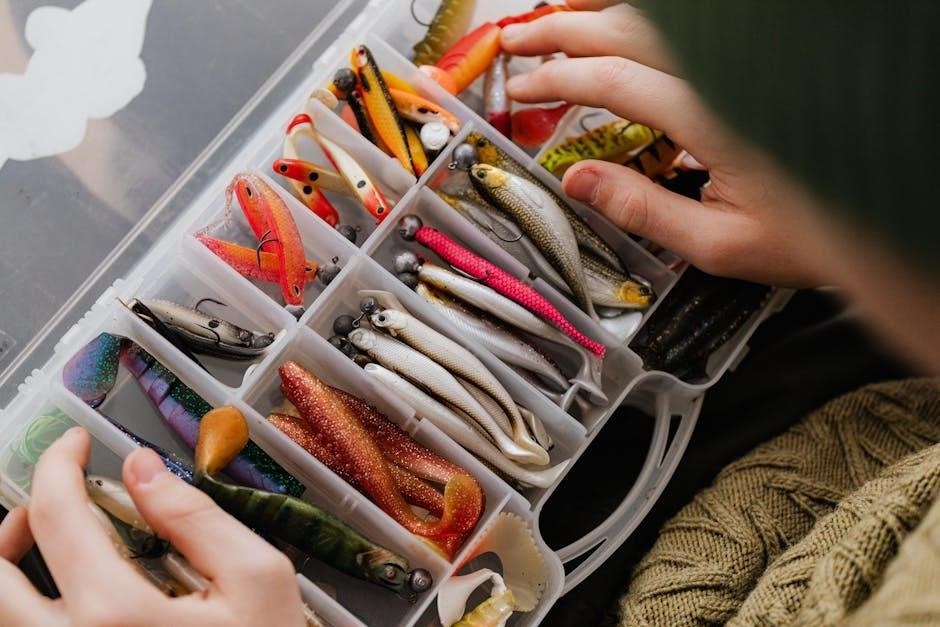
Beyond basic templates, explore 3D design software for unique lure shapes. Experiment with materials like wood or metal, demanding specialized tools and skills.
Transitioning from 2D templates to 3D lure designs unlocks a new level of customization and realism. Software like Blender, Tinkercad, or Fusion 360 allows anglers to sculpt intricate lure profiles beyond traditional shapes. Begin by sketching your desired lure form, then import it into the chosen software.
Utilize sculpting tools to refine the body, adding details like scales, gills, or fins. Consider hydrodynamic principles to optimize the lure’s action in the water. Once satisfied with the design, export it as an STL file for 3D printing or use it as a guide for hand-carving from wood or other materials. Remember that printable fishing lure templates can serve as a starting point for these more complex designs, providing a foundational shape to modify.
Beyond plastic, lure making embraces diverse materials like wood and metal, each offering unique characteristics. Wood, such as balsa or basswood, is easily carved and provides a natural buoyancy. Metal, like brass or lead, adds weight and durability, influencing the lure’s action and casting distance.
Printable fishing lure templates adapt to these materials; however, adjustments are crucial. For wood, transfer the template and carefully carve the shape, sanding for smoothness. Metal requires cutting with specialized tools and potentially soldering components. Consider the material’s density when balancing the lure. Experimentation is key to mastering each material and achieving the desired performance. Always prioritize safety when working with power tools and metal.
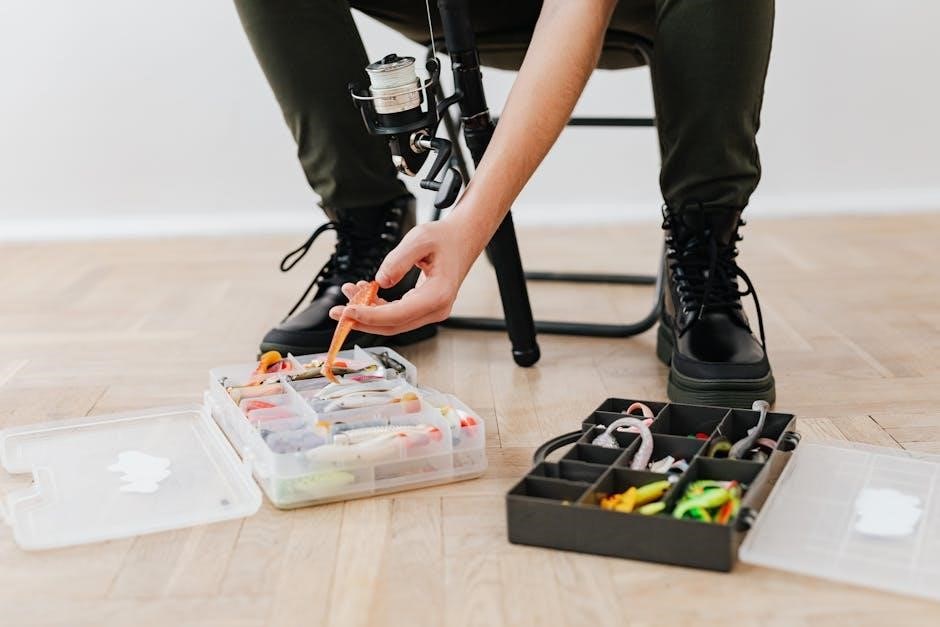
Online forums and groups are invaluable for lure makers, offering shared PDF templates, advice, and inspiration. Websites and books provide detailed guidance for crafting success.
Engaging with online communities is crucial for anyone exploring printable fishing lure templates. Numerous forums and social media groups are dedicated to the art of lure making, providing a platform to share PDF templates, discuss techniques, and troubleshoot challenges. These spaces often host detailed tutorials, showcasing how to effectively utilize templates for various lure types.
Active participation allows you to learn from experienced lure crafters, gain insights into material selection, and discover innovative finishing methods. Many groups feature dedicated sections for template exchange, offering a diverse range of designs. Furthermore, these communities foster a collaborative spirit, encouraging members to share their creations and provide constructive feedback. Searching platforms like Facebook and dedicated fishing forums will reveal thriving groups tailored to your interests.
Expanding your knowledge beyond basic printable fishing lure templates PDF guides requires exploring dedicated resources. Websites like LurePartsOnline and Jann’s NetCraft offer extensive catalogs of lure-making components and often feature instructional articles. Several books delve into the intricacies of lure design and construction, providing a solid foundation for customization.
“The Art of Lure Carving” by Donald S. Jennings is a classic, while more contemporary guides focus on modern materials and techniques; Online, look for blogs and YouTube channels dedicated to lure building; these frequently showcase template usage and offer step-by-step demonstrations. Remember to cross-reference information and prioritize resources that emphasize safety and responsible angling practices.