Categories

The Arizona Commercial Driver’s License Manual offers comprehensive guidance for aspiring truckers, outlining regulations, safety standards, and licensing procedures. It serves as a foundational resource for exam preparation and practical driving skills. Drivers must review federal rules stay compliant.
The Arizona Commercial Driver’s License Manual is designed to provide a clear, authoritative reference for all individuals seeking to obtain or renew a commercial driver’s license (CDL) within the state. Its primary purpose is to consolidate federal regulations, state statutes, and practical guidance into a single, user‑friendly document that supports safe, compliant, and efficient commercial driving. The manual serves several key functions:
By serving as both an educational tool and a procedural guide, the manual empowers drivers to prepare effectively for licensing exams and to maintain high standards of road safety throughout their careers. Keep learning for safety daily.!!

Begin by familiarizing yourself with the manual’s structure: the front matter lists prerequisites, the main body contains exam content, and the appendices provide reference tables and sample questions. Read the introductory section to understand the licensing framework and then proceed to the “Study Guide” chapters, which break down each test topic into concise, digestible units. Use the index to locate specific topics quickly, and cross‑reference the practice questions in the back to gauge your readiness.
When studying, adopt a systematic approach: set a weekly schedule, allocate time for reading, reviewing flashcards, and completing practice exams. Track your progress with the provided progress‑tracking sheet, noting areas of strength and weakness. For the written exam, focus on mastering key concepts such as vehicle inspection, hazardous materials handling, and Arizona‑specific regulations. For the skills test, practice maneuvers in a controlled environment, paying close attention to the checklist and timing requirements.
Leverage available resources: the ADOT website offers downloadable study aids, the online practice test simulates the actual exam format, and local driver training schools provide hands‑on instruction. Schedule your written test after you feel confident in each subject area, and book the skills test only after you have completed a full practice session. Finally, review the manual’s “Exam Day Checklist” to ensure you bring all required documents, arrive early, remain calm.
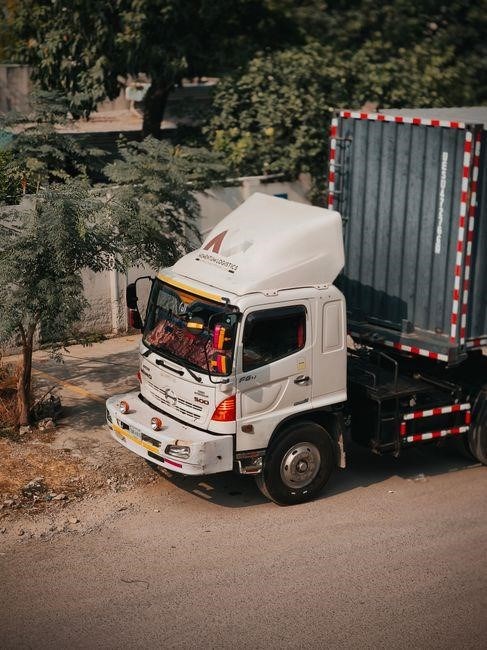
Arizona offers three CDL classes: Class A for combination vehicles, Class B for single vehicles, and Class C for operations. Each class has weight limits, equipment requirements, and endorsement rules. Understanding these distinctions is essential before applying.
Drivers must also understand weight distribution, axle load limits. Arizona’s regulations emphasize safe loading to prevent over‑stress and ensure compliance with federal safety standards. and!!

To obtain an Arizona CDL, applicants must be at least 18 for intrastate, 21 for interstate, hold a valid driver’s license, pass a medical exam, and submit a clean driving record. Residency proof and a written test covering commercial rules are also required. Applicants must also complete a safety course.
Lorem ipsum dolor sit amet, consectetur adipiscing elit. Lorem ipsum dolor sit amet, consectetur adipiscing elit. Lorem ipsum dolor sit amet, consectetur adipiscing elit. Lorem ipsum dolor sit amet, consectetur adipiscing elit. Lorem ipsum dolor sit amet, consectetur adipiscing elit. Lorem ipsum dolor sit amet, consectetur adipiscing elit. Lorem ipsum dolor sit amet, consectetur adipiscing elit. Lorem ipsum dolor sit amet, consectetur adipiscing elit. Lorem ipsum dolor sit amet, consectetur adipiscing elit. Lorem ipsum dolor sit amet, consectetur adipiscing elit. Lorem ipsum dolor sit amet, consectetur adipiscing elit. Lorem ipsum dolor sit amet, consectetur adipiscing elit. Lorem ipsum dolor sit amet, consectetur adipiscing elit. Lorem ipsum dolor sit amet, consectetur adipiscing elit. Lorem ipsum dolor sit amet, consectetur adipiscing elit. Lorem ipsum dolor sit amet, consectetur adipiscing elit. Lorem ipsum dolor sit amet, consectetur adipiscing elit. Lorem ipsum dolor sit amet, consectetur adipiscing elit. Lorem ipsum dolor sit amet, consectetur adipiscing elit. Lorem ipsum dolor sit amet, consectetur adipiscing elit. Lorem ipsum dolor sit amet, consectetur adipiscing elit. Lorem ipsum dolor sit amet, consectetur adipiscing elit. Lorem ipsum dolor sit amet, consectetur adipiscing elit. Lorem ipsum dolor sit amet, consectetur adipiscing elit. Lorem ipsum dolor sit amet, consectetur adipiscing elit. Lorem ipsum dolor sit amet, consectetur adipiscing elit. Meet medical residency standards today.

To qualify for a commercial driver’s license in Arizona, applicants must complete a series of written and practical examinations that assess both knowledge and driving proficiency. The written exam covers topics such as federal regulations, hazardous materials handling, and vehicle inspection procedures. Candidates must score a minimum of 70 percent to pass. After clearing the written portion, applicants must submit a valid medical certificate issued by an authorized physician, confirming they meet the physical requirements for safe operation. The medical exam includes vision testing, blood pressure checks, and a review of any medical conditions that could impair driving. Additionally, applicants must provide proof of Arizona residency, typically a driver’s license or state ID, and a Social Security number. The documentation must be current and unexpired. Once all paperwork is verified, the applicant schedules a skills test. This test evaluates maneuvering, parking, and emergency response skills on a designated course; Successful completion of the skills test, combined with a clean medical record, results in the issuance of a commercial driver’s license.
After obtaining the license, drivers must keep up with training and courses. Maintaining a clean record and staying current on endorsements hazardous materials or passenger transport is essential for career longevity. Arizona’s Department of Transportation offers resources to help drivers stay informed and prep for regulatory changes.Appendix

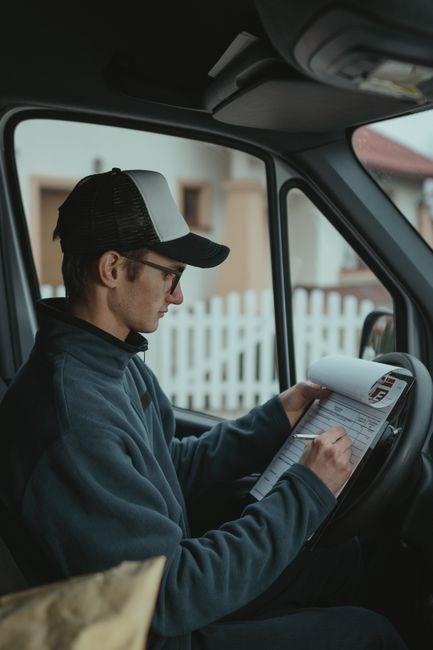
The written exam tests knowledge of federal rules, vehicle inspection, and hazardous materials. Study the Arizona CDL Manual, use practice tests, and focus on key topics. Time management and clear reading are essential for success. Review practice exams and focus on safety regulations. Keep calm. Stay.

Arizona’s commercial driver’s license written examination evaluates a candidate’s mastery of federal and state regulations, vehicle inspection procedures, hazardous materials handling, and safe driving practices. The exam is divided into distinct sections, each focusing on critical knowledge areas that a commercial driver must understand to operate large or hazardous vehicles safely and legally. Below is a detailed breakdown of the core topics tested, along with key concepts and typical question formats that candidates should study. 1. Federal Motor Carrier Safety Regulations (FMCSRs). Candidates must be familiar with the major FMCSR titles, including Title 49, Part 395 (general operating rules), Part 395.1 (hours of service), Part 395.2 (vehicle equipment), and Part 395.3 (driver qualifications). Questions often ask for definitions, compliance requirements, and the consequences of violations. 2. Vehicle Inspection and Maintenance. The manual emphasizes pre‑trip inspections, daily checks, and the importance of identifying defects. Topics include brake systems, tires, lights, mirrors, and emergency equipment. Sample questions test the ability to locate and describe inspection points, calculate tire pressure ranges, and determine acceptable wear limits. 3. Hazardous Materials (HazMat) Rules. For drivers carrying hazardous substances, the exam covers classification, labeling, placarding, and emergency response procedures. Candidates should know the 16 hazard classes, the meaning of placard symbols, and the specific documentation required for each material. Questions may present a scenario and ask for the correct placard placement or the required emergency contact information. 4. Safe Driving Practices. This section addresses defensive driving, lane discipline, speed management, and the use of mirrors and signals. It also covers the impact of weather, road conditions, and vehicle load on handling. 5. Driver Qualification and Record Keeping. Candidates must understand medical certification, background checks, and the importance of maintaining accurate logs. The exam tests knowledge of the required medical forms, the definition of a “qualified” driver, and the proper handling of driver’s license suspensions or revocations. 6. General Knowledge and Scenario‑Based Questions. The final portion of the exam typically presents realistic driving scenarios that require the application of all the above knowledge areas. Questions may involve selecting the correct action in a multi‑vehicle intersection, determining the appropriate use of a safety device, or responding to a sudden mechanical failure. By concentrating study efforts on these six categories, candidates can build a solid foundation for the written exam. Practice tests, flashcards, and review sessions that mirror the exam’s structure will reinforce retention and improve confidence. Mastery of these key topics is essential for passing the Arizona CDL written examination and ultimately for operating commercial vehicles safely on the road.

Start by reviewing the official Arizona Commercial Driver’s License Manual, available on the Department of Transportation website. Highlight sections on Federal Motor Carrier Safety Regulations, vehicle inspection, and hazardous materials. Create flashcards for key terms such as “hours of service” and “placard requirements.” Schedule daily study sessions of 30–45 minutes, alternating between reading, practice questions, and review. Use the DMV’s free practice test to gauge progress; aim for a score above 80% before attempting the official exam. Join online forums or local study groups to discuss tricky scenarios and share insights. Consider enrolling in a commercial driving school that offers a prep course; many provide mock exams and instructor feedback. Maintain a study log to track topics covered and identify weak areas. Consistent practice and a balanced review schedule will maximize retention and confidence on exam day. Use spaced repetition to reinforce memory retention across topics. Reward yourself after each completed study block stay hydrated
In addition, review the state’s specific regulations on driver qualifications, medical requirements, and the use of safety equipment such as seat belts and airbags. Practice the vehicle inspection checklist until you can perform it in under 10 minutes. Use mnemonic devices to remember the 16 hazardous material classes. Keep a copy of the FMCSRs in a pocket folder for quick reference during study sessions. Finally, schedule your written test at least two weeks after you feel confident, allowing time for a final review and to address any lingering questions.
Remember to rest well the night before the test; a clear mind improves recall Good luck
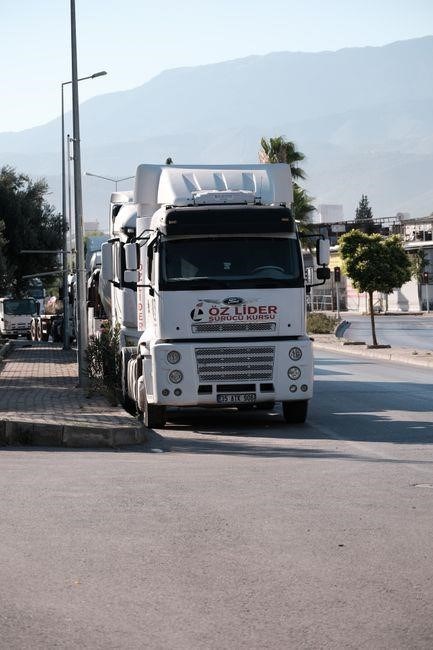
The skills test evaluates vehicle handling, safety, and compliance. Drivers perform a pre‑inspection, basic maneuvers, and emergency stops. Focus on proper signaling, lane changes, and parking. Follow examiner instructions, maintain control, and demonstrate confidence. Practice under exam conditions. Now.
The skills test begins with a thorough pre‑inspection. The examiner will ask you to demonstrate knowledge of safety equipment, brake functionality, and vehicle controls. Follow each prompt, noting any discrepancies. Next, you will perform a series of basic maneuvers: a forward drive, a backward drive, a parking maneuver, and a lane‑change. Each maneuver must be executed with precision, maintaining proper lane position, speed, and signal usage. The examiner will also assess your ability to perform a three‑point turn and a parallel‑park. During the test, you must keep the vehicle within the lane boundaries, use mirrors correctly, and maintain a safe following distance. If you encounter a stop sign or traffic signal, you must obey it, stopping fully and checking all directions before proceeding. The test concludes with a final inspection of your driving record and a discussion of any observed issues. You will receive a pass or fail grade based on your performance. Prepare by practicing each maneuver in a controlled environment, reviewing the Arizona CDL Manual’s checklist, and ensuring your vehicle is in optimal condition. Good luck!
Remember to bring all required documentation, including a valid Arizona driver’s license, proof of residency, a medical certificate, and any endorsements. Arrive at the testing center at least 30 minutes early to complete paperwork and a pre‑test health check. Use a calm, focused mindset to handle the test’s mental and physical demands. Stay hydrated and rest well before the test.
During the Arizona CDL skills test, candidates often encounter common pitfalls that can lead to a failed result. One frequent mistake is inadequate vehicle pre‑inspection: forgetting to check tire pressure, fluid levels, or brake function. Another is poor mirror usage, which can cause blind‑spot errors. Drivers also tend to misread road signs, leading to incorrect lane changes or failure to stop at stop signs. Speed control is critical; excessive speed can result in loss of control, while too slow speed may cause the examiner to question your ability to maintain traffic flow. Improper use of turn signals, especially during complex maneuvers, is a common issue. Additionally, failing to maintain a safe following distance or not keeping the vehicle within lane boundaries can result in penalties. To avoid these pitfalls, practice each maneuver multiple times, review the manual’s checklist, and conduct mock tests with a certified instructor. Keep a calm mindset, focus on vehicle controls, and always double‑check your mirror positions before any turn. Arrive early, ensure your vehicle is in top condition, and bring all required documentation. With diligent preparation and awareness of these common mistakes, you’ll increase your chances of passing the test and earning your CDL. Demonstrating proper hand placement on the steering wheel, using the horn sparingly, and maintaining situational awareness are all critical. Consistent practice and a thorough understanding of the manual’s guidelines will help you avoid these pitfalls and succeed. Always remember to keep your eyes on the road, use your mirrors consistently, andmaintain speed within posted limits to demonstrate control and safety fast