Categories
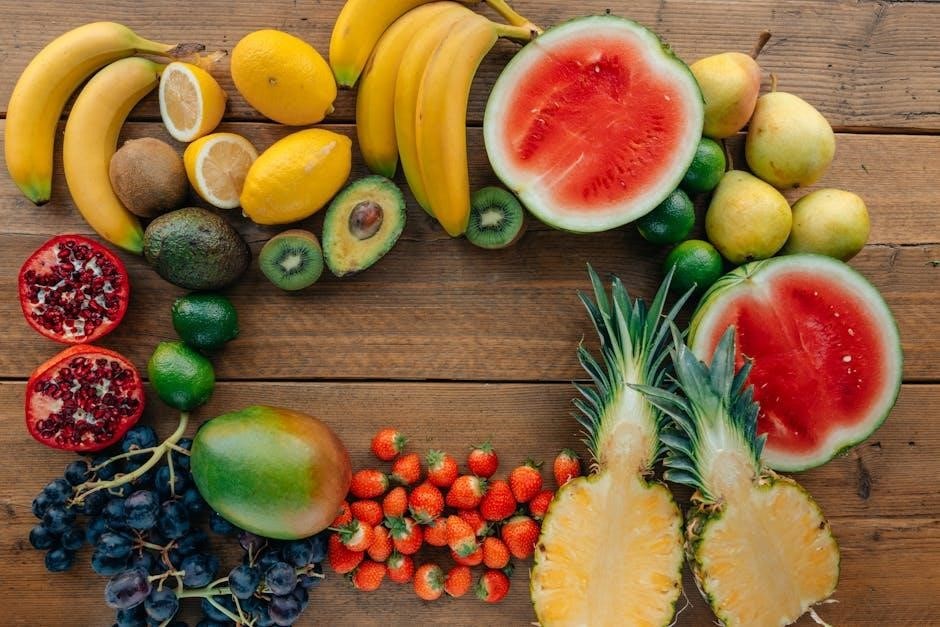
Navigating a fruitarian lifestyle requires detailed planning; downloadable PDF resources offer structured meal plans‚ addressing nutritional needs and potential deficiencies for sustained health.
A fruitarian diet is a highly restrictive eating pattern centered exclusively around fruits – botanical fruits‚ encompassing seeds and nuts. Unlike simply enjoying fruit with a balanced diet‚ fruitarianism eliminates all animal products‚ grains‚ vegetables‚ and often legumes. This dietary approach stems from a belief that humans are naturally frugivores‚ designed to thrive on fruits alone.
PDF resources detailing fruitarian plans often emphasize sourcing ripe‚ seasonal fruits for optimal nutrition. These guides typically outline permitted fruit varieties‚ portion sizes‚ and potential supplementation needs due to inherent nutritional limitations. Understanding the strict nature of this diet is crucial; it’s far more restrictive than vegetarianism or veganism‚ demanding meticulous planning and awareness.
The roots of fruitarianism trace back to ancient philosophies and religious practices emphasizing a “natural” diet. Early proponents‚ like some within the 19th-century health reform movements‚ advocated for a fruit-based lifestyle‚ believing it aligned with a pre-lapsarian state of human existence. Modern fruitarianism gained traction through individuals like Anne Osbourne‚ who sustained a fruit-only diet for over three decades‚ inspiring others.
PDF guides on fruitarian plans often acknowledge this history‚ framing the diet not merely as a trend‚ but as a return to ancestral eating patterns. These resources frequently cite historical texts and anecdotal evidence supporting the purported benefits‚ while also cautioning about the challenges and need for careful planning.
At its heart‚ fruitarianism centers on consuming only botanical fruits – those parts of a plant developed from the flower’s ovary. This excludes vegetables‚ grains‚ and often nuts and seeds‚ depending on interpretation. A key tenet is minimizing harm to plants‚ favoring fruits that fall naturally or are easily harvested.
Fruitarian diet plan PDFs typically emphasize this strict adherence‚ detailing acceptable fruit varieties and portion sizes. They often highlight the importance of sourcing ripe‚ seasonal fruits and avoiding processed fruit products. Many guides also address ethical considerations‚ promoting sustainable fruit sourcing and mindful consumption‚ aligning with the diet’s core philosophy.
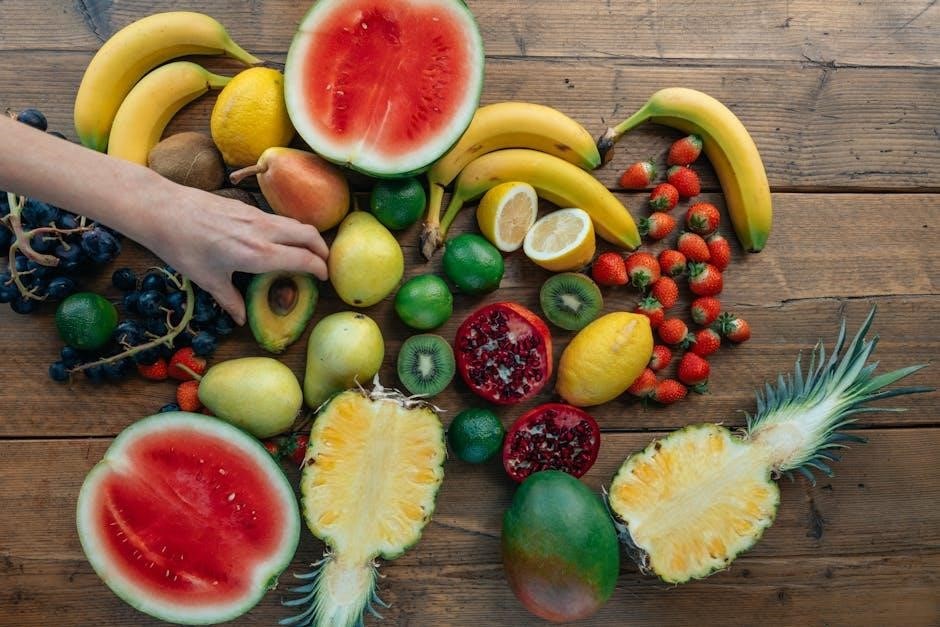
Fruitarian diet plan PDFs outline both potential wellness gains and serious health hazards‚ emphasizing the need for careful planning and medical supervision.
Anne Osbourne’s remarkable 33-year adherence to a fruit-only diet‚ detailed in various online reports and potentially within fruitarian diet plan PDFs‚ presents a compelling‚ albeit extreme‚ case study. She asserts experiencing optimal health‚ defying conventional nutritional wisdom.
Osbourne’s experience‚ often highlighted in discussions surrounding fruitarianism‚ suggests potential benefits like increased energy levels and improved overall well-being – though these are entirely self-reported. PDF guides often acknowledge her story‚ but strongly caution against replicating such a restrictive diet without rigorous medical monitoring.
The case underscores the highly individual nature of dietary responses‚ and the importance of understanding that Osbourne’s experience doesn’t guarantee similar outcomes for others. PDF resources typically emphasize the need for personalized approaches and professional guidance.
The tragic case of Karolina‚ a 27-year-old Polish woman who reportedly died from starvation following an all-fruit detox diet‚ serves as a stark warning against extreme dietary restrictions. This incident‚ widely reported online and often referenced in cautionary sections of fruitarian diet plan PDFs‚ highlights the severe dangers of inadequate nutrition.
Karolina’s death underscores the critical need for balanced diets and medical supervision. PDF resources dedicated to fruitarianism‚ even those advocating for the lifestyle‚ frequently emphasize the potential for life-threatening deficiencies.
Her story is a powerful reminder that eliminating entire food groups can have devastating consequences‚ and that “detox” diets are rarely‚ if ever‚ safe or effective. PDFs often include disclaimers and urge readers to consult healthcare professionals.
A fruitarian diet‚ by its very nature‚ presents significant challenges in obtaining essential nutrients‚ making nutritional deficiencies a paramount concern. Comprehensive fruitarian diet plan PDFs consistently address this issue‚ outlining potential shortfalls in vital vitamins and minerals.
Specifically‚ deficiencies in Vitamin B12‚ iron‚ calcium‚ zinc‚ and essential fatty acids are frequently highlighted. PDFs often detail the symptoms of these deficiencies and emphasize the necessity of careful monitoring and‚ often‚ supplementation.
While fruits provide vitamins and antioxidants‚ they lack sufficient protein and fats crucial for bodily functions. PDF guides often include charts detailing nutrient content and suggest strategies to mitigate risks‚ though complete adequacy remains difficult to achieve.
Fruitarian diet plan PDFs clearly delineate permitted fruits – prioritizing variety – and strictly prohibited foods extending beyond vegetables‚ including grains and legumes.
Fruitarian diet plan PDFs emphasize a diverse intake of fruits‚ moving beyond common options like apples and bananas. They advocate for including tropical fruits – mangoes‚ papayas – and less conventional choices like durian or jackfruit‚ when seasonally available.
Quantity is crucial; plans often suggest consuming fruits to satiety‚ listening to the body’s hunger cues. However‚ PDFs also detail balancing sweetness levels‚ combining fruits for optimal nutrient absorption‚ and avoiding excessive intake of highly sugary varieties;
Some resources categorize fruits based on their sugar content and recommend rotating them throughout the day. Detailed PDFs may provide specific serving size guidelines based on individual caloric needs and activity levels‚ ensuring adequate energy intake.
Fruitarian diet plan PDFs are exceptionally clear: all non-fruit foods are forbidden. This extends far beyond the obvious exclusion of vegetables‚ encompassing all grains‚ legumes‚ nuts‚ and seeds. Meat‚ poultry‚ fish‚ and dairy are‚ naturally‚ completely off-limits.
Crucially‚ these PDFs also prohibit processed foods‚ even those derived from fruit – fruit juices with added sugar‚ dried fruits with preservatives‚ and fruit-based snacks are generally discouraged.
Many strict plans even exclude spices‚ herbs‚ and oils‚ adhering to a purely frugivorous approach. Detailed resources emphasize that any food not botanically classified as a fruit violates the core principles of the diet‚ highlighting the need for careful label reading.
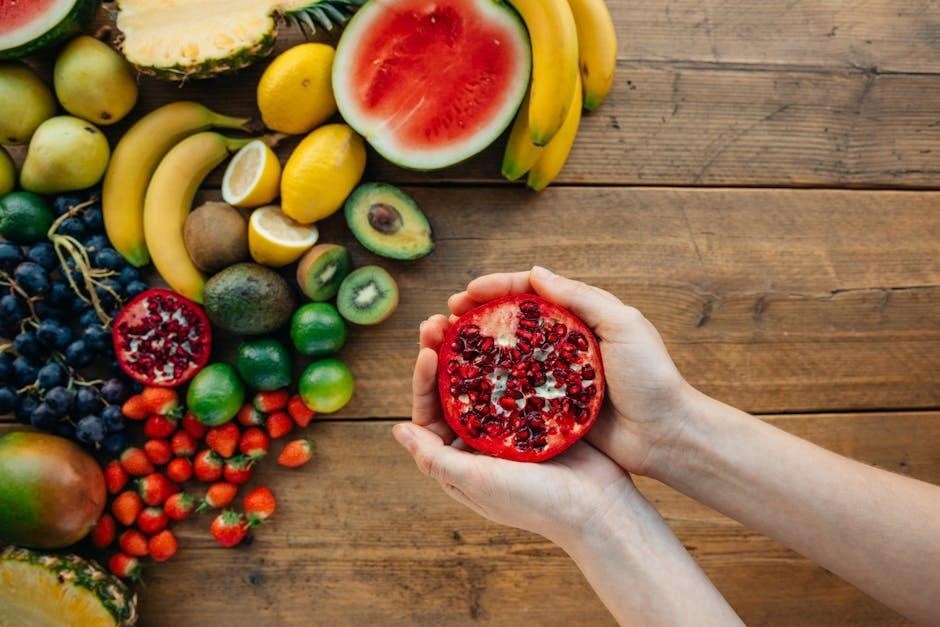
Fruitarian diet plan PDFs provide sample schedules‚ emphasizing diverse fruit combinations and portion sizes to meet caloric needs and ensure nutritional balance daily.
A typical fruitarian day‚ as outlined in many PDF guides‚ begins with a breakfast of 2-3 bananas (approx. 300 calories) and a handful of berries (80 calories). Mid-morning could include a papaya (120 calories) or a large orange (60 calories). Lunch often features a substantial melon portion – watermelon or cantaloupe – totaling around 400-500 calories.
The afternoon snack might be a mango (200 calories) or several peaches (150 calories). Dinner commonly consists of dates (280 calories for 8 dates) and a selection of softer fruits like figs (100 calories for 3 figs). These plans emphasize variety‚ but calorie intake can be challenging to maintain‚ often falling between 1200-1800 calories daily. PDF resources often suggest adjusting quantities based on individual activity levels and metabolic rates.
Fruitarian diet PDF guides frequently emphasize strategic fruit pairings to enhance digestion and nutrient absorption. Combining sweet fruits like bananas with acidic ones‚ such as oranges or grapefruits‚ is generally recommended to aid enzymatic breakdown. Melons are best consumed alone‚ as they digest rapidly. Avoid mixing fruits with fats or proteins‚ as this can hinder optimal digestion.
Many resources suggest pairing fruits with similar pH levels. For example‚ apples and pears digest well together. PDF plans often detail specific combinations‚ like mango and papaya‚ promoting synergistic effects. Proper fruit combining‚ according to these guides‚ minimizes bloating and maximizes the nutritional benefits of a fruit-based diet.
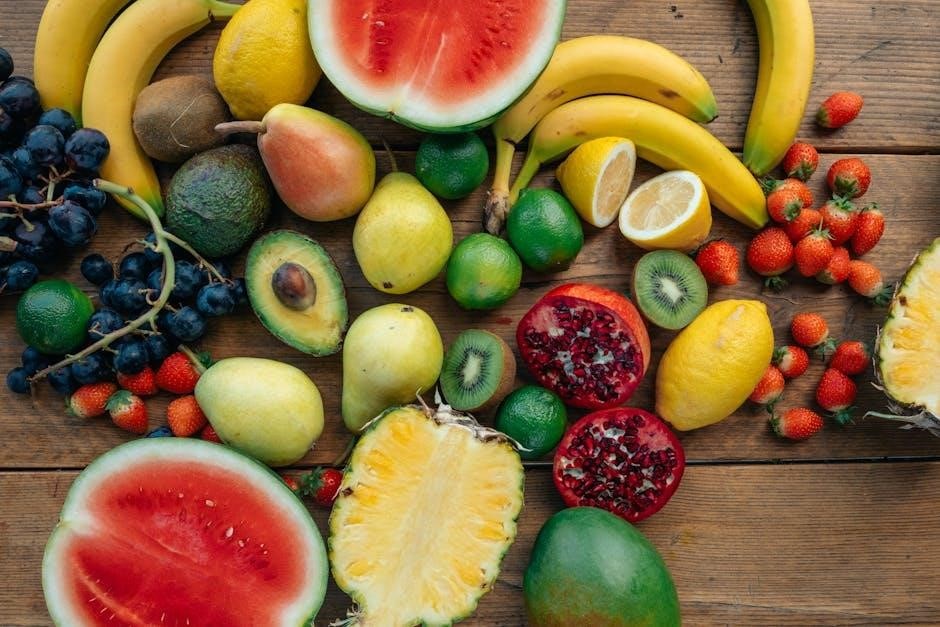
Fruitarian diet PDF resources highlight crucial supplementation—vitamins B12 and D‚ alongside minerals like iron and zinc—to address inherent nutritional gaps.
A strictly fruitarian diet‚ as detailed in many fruitarian diet plan PDFs‚ inherently lacks vital nutrients necessitating careful supplementation. Vitamin B12 is paramount‚ as it’s almost exclusively found in animal products‚ crucial for nerve function and red blood cell production.
Vitamin D‚ often sourced from sunlight and fortified foods‚ may also be insufficient‚ particularly in regions with limited sun exposure. Essential minerals like iron‚ zinc‚ and calcium are often deficient‚ impacting energy levels and bone health.
PDF guides frequently recommend regular blood tests to monitor nutrient levels and adjust supplementation accordingly. Omega-3 fatty acids‚ typically obtained from fish‚ should also be considered through algal oil supplements. Prioritizing these additions ensures a safer and more sustainable fruitarian approach.
Maintaining adequate hydration is crucial on a fruitarian diet‚ as emphasized in comprehensive fruitarian diet plan PDFs. Fruits boast high water content‚ contributing significantly to daily fluid intake‚ but it’s often insufficient. Pure water intake should be prioritized throughout the day‚ not solely relying on fruit juices.
Electrolyte balance can be disrupted due to the diet’s limited sodium content; consider adding a pinch of sea salt to water. Herbal teas‚ particularly those without caffeine‚ offer a flavorful hydration boost.
PDF resources often suggest monitoring urine color – pale yellow indicates good hydration. Avoid sugary drinks‚ as they can hinder optimal fluid absorption and overall health.

PDF guides often detail Anne Osbourne’s 33-year fruitarian journey and the Bali man’s lifestyle‚ illustrating both potential benefits and inherent challenges.
Anne Osbourne’s remarkable case‚ frequently highlighted in fruitarian diet plan PDFs‚ showcases a decades-long commitment to a purely fruit-based lifestyle. For 33 years‚ she has exclusively consumed fruit‚ eliminating all vegetables‚ meats‚ carbohydrates‚ and dairy from her diet. These downloadable resources often present her story as evidence of potential health benefits‚ though individual results vary significantly.
PDF guides detailing her experience emphasize Osbourne’s reported well-being and vitality. However‚ they also typically include disclaimers regarding the extreme nature of her diet and the necessity for careful consideration and‚ ideally‚ medical supervision. Her case serves as a compelling‚ yet cautionary‚ tale within the fruitarian community‚ prompting further research and responsible dietary approaches.
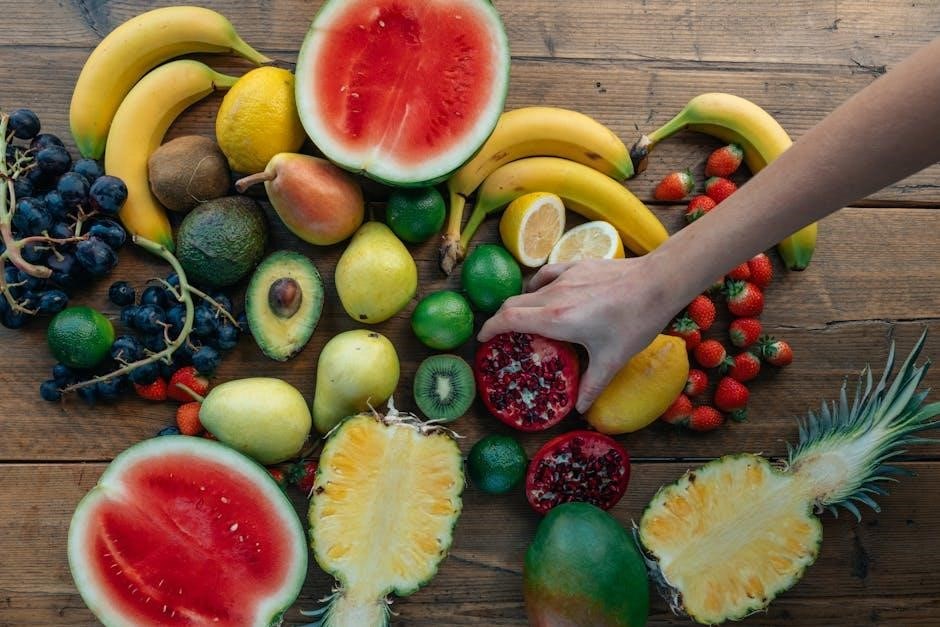
A recent viral video featuring a man in Bali adhering to a fruitarian diet has sparked considerable online discussion‚ often referenced within fruitarian diet plan PDFs as a modern example. The footage depicts his daily routine centered around fruit consumption‚ prompting both admiration and skepticism regarding the sustainability and health implications of such a restrictive approach.
Many PDF guides utilize this case to illustrate the practical application of fruitarian principles‚ while simultaneously acknowledging the potential challenges. Discussions surrounding his lifestyle highlight the importance of fruit variety and quantity‚ as well as the need for careful monitoring of nutritional intake. His story serves as a real-world illustration‚ prompting critical evaluation of the diet.
PDF resources often disclaim medical advice; extreme diets require oversight‚ and sourcing sustainable fruit impacts ethical consumption‚ demanding responsible planning.
The increasing popularity of restrictive diets‚ like fruitarianism‚ highlighted by readily available PDF plans online‚ raises significant concerns regarding public health and safety. Karolina’s tragic case‚ a 27-year-old who died from starvation following an all-fruit detox‚ underscores the dangers of unsupervised dietary extremes.
PDF resources‚ while offering meal ideas‚ frequently lack crucial disclaimers about medical necessity or individual suitability. A fruitarian diet‚ by its very nature‚ eliminates essential nutrients‚ necessitating consistent medical monitoring to prevent deficiencies.
Healthcare professionals strongly advise against self-treating with extreme diets found online. Individuals considering a fruitarian lifestyle must consult with a registered dietitian or physician to assess their health status and develop a safe‚ monitored plan. Ignoring this advice can have life-threatening consequences‚ as tragically demonstrated.
The widespread adoption of a fruitarian diet‚ fueled by accessible PDF plans‚ presents substantial sustainability challenges. A diet exclusively reliant on fruits demands significant agricultural resources – land‚ water‚ and energy – potentially exacerbating environmental pressures.
Sourcing diverse‚ high-quality fruits year-round often necessitates long-distance transportation‚ increasing carbon footprints. PDF guides rarely address the ethical implications of fruit production‚ including labor practices and pesticide use.
Prioritizing locally sourced‚ seasonal fruits‚ and supporting sustainable farming practices are crucial for mitigating the environmental impact. Consumers should inquire about the origin of their fruit and consider the broader ecological consequences of their dietary choices‚ beyond simply following a plan.

Numerous websites and downloadable PDF resources detail fruitarian plans‚ offering guidance; however‚ critical evaluation of nutritional completeness is always recommended for safety.
Finding trustworthy information about the fruitarian diet can be challenging‚ as many sources lack scientific backing. While a dedicated central organization doesn’t exist‚ several websites offer resources‚ though discernment is crucial. Microsoft’s official website (microsoft.com) provides general health and wellness information‚ but isn’t fruitarian-specific. Microsoft Support (support.microsoft.com) offers broader assistance.
For downloadable PDF plans‚ searching reputable health and nutrition sites is best. Be wary of extreme or unsubstantiated claims. Examining forums and communities dedicated to raw food diets can offer peer support and shared experiences‚ but always cross-reference information with qualified healthcare professionals. Remember‚ the Microsoft Download Center (microsoft.com/en-us/download) focuses on software‚ not dietary advice. Prioritize evidence-based resources and consult a doctor before starting any restrictive diet.
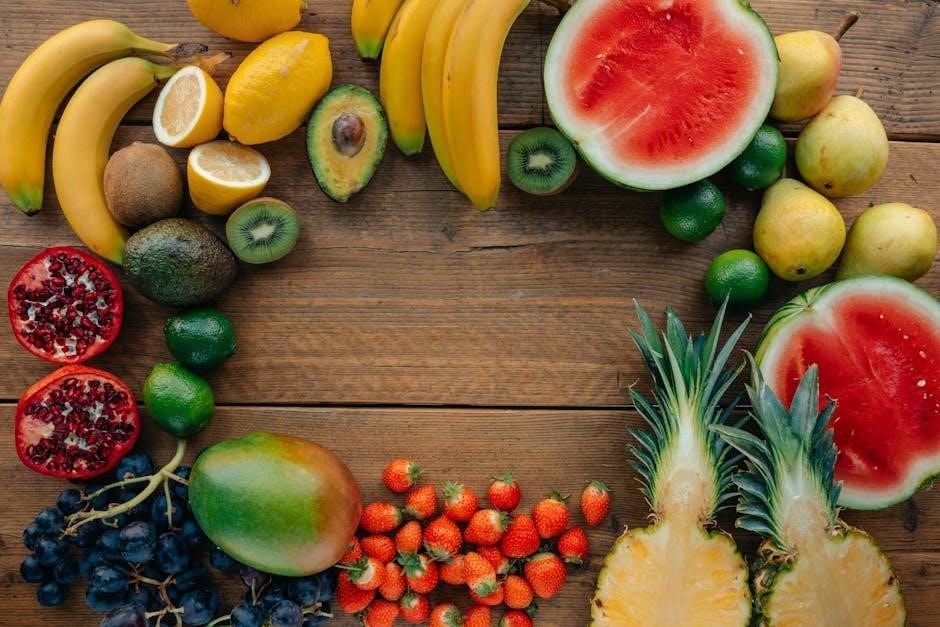
Locating comprehensive fruitarian diet plans in PDF format requires careful searching‚ as quality varies significantly. While Microsoft doesn’t directly offer such resources (microsoft.com)‚ numerous independent websites compile plans. These PDFs often detail permitted fruits‚ sample meal schedules‚ and potential nutrient considerations. However‚ critically evaluate the source’s credibility before adopting any plan.
Look for PDFs created by registered dietitians or nutritionists‚ emphasizing balanced fruit combinations and addressing potential deficiencies. Beware of plans promoting unrealistic claims or lacking scientific basis. Microsoft Support (support.microsoft.com) won’t provide dietary PDFs. Remember‚ a PDF is merely a guide; personalize it based on individual needs and consult a healthcare professional for tailored advice before embarking on this restrictive diet.